
Senate Kills Crypto Clarity Act Vote as Bitcoin Slides to $74,967
A Procedural Loss With Market Consequences
On September 15, the US Senate voted 49-50 on a cloture motion to advance the Digital Asset Market Clarity Act – falling eleven votes short of the 60 required to move to floor debate. The bill died in procedure, and crypto markets were already sliding before the gavel came down.

What the CLARITY Act Was Built to Do
The Digital Asset Market Clarity Act was written to replace the existing patchwork of state and agency-level rules with a single federal framework covering the issuance, trading, and sale of digital assets. No unified federal standard currently governs how crypto businesses operate across those categories, and the bill’s architects argued that the ambiguity suppresses institutional participation and leaves retail investors exposed to inconsistent protections.
The cloture vote – scheduled for approximately 2:15 p.m. ET – was always going to be a close call, but the 49-50 result was not close in any practical sense. Supermajority thresholds exist precisely to prevent narrow majorities from forcing controversial legislation to the floor, and the bill’s supporters never assembled the coalition needed to clear that bar.
With the motion failing, there is no immediate path to floor debate. Supporters would need to rebuild momentum, either through a revised bill, fresh negotiations, or a shift in Senate arithmetic – none of which can happen on a short timeline. For crypto businesses operating under regulatory uncertainty, the practical result is more of the same: no federal market-structure rules, no clear jurisdictional lines between the SEC and the CFTC, and no legislative signal to work from.
The bill’s defeat does not erase the underlying legislative effort. Similar frameworks have moved through committee processes before stalling, and the CLARITY Act itself built on earlier drafts. But each failed vote resets the clock, and the window for meaningful crypto legislation in any given congressional session is narrow.
Bitcoin Was Already Falling Before Senators Voted
Bitcoin touched an intraday low of $74,967.97 on September 15 – a figure that arrived before the Senate’s cloture result was announced. The asset had already broken below $76,000 in earlier trading, meaning the legislative defeat compounded a move that was already underway rather than triggering it outright. The altcoin market cap dropped 3.6% across the same period, though it held above $1.15 trillion.
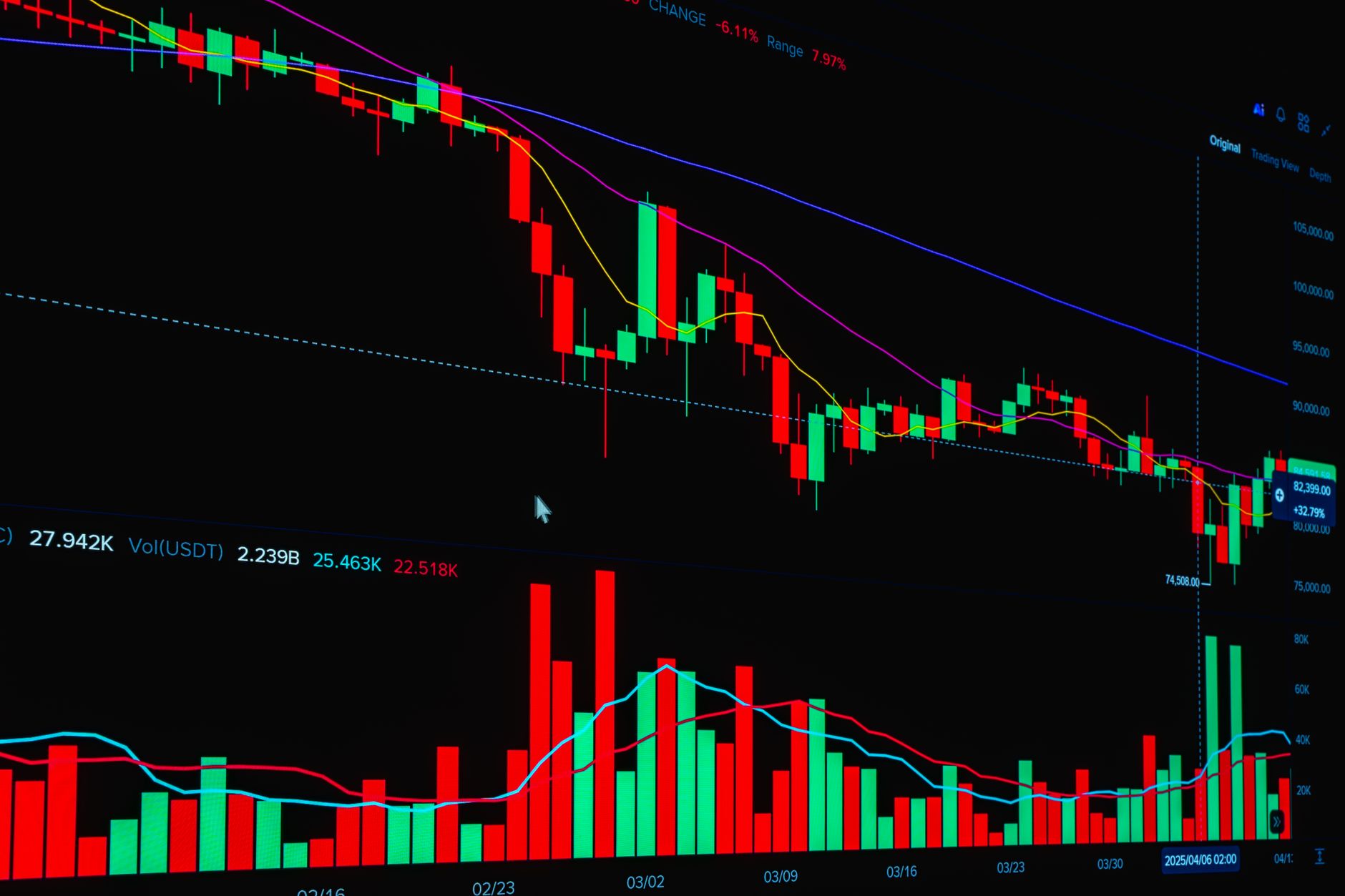
Two separate pressure sources were operating simultaneously. The first was positioning ahead of a Federal Reserve rate decision, which had been pushing risk assets lower across equity and crypto markets alike. The second was the Senate vote, which introduced a policy-specific layer of uncertainty on top of already cautious market sentiment. Traders were not waiting to react – they were already reducing exposure when the vote result arrived. Bitcoin ETF outflows had already been accelerating, with spot and futures sellers moving in the same direction before this session’s added pressure.
Leverage was being unwound before the vote and accelerated after it. CoinGlass recorded over $300 million in liquidations within 20 minutes of the Senate’s cloture result. The 24-hour liquidation total surpassed $665 million at that same point. Those numbers reflect positions that had been built with borrowed capital – positions that become untenable fast when price moves against them and sentiment sours on two fronts at once.
The liquidation cascade is worth parsing carefully. A $665 million 24-hour figure does not mean the Senate vote caused $665 million in losses. A portion of that total was already accumulating through the session as traders responded to Fed rate-hike expectations – expectations that sharpened after Fed Chair Kevin Warsh’s recent remarks triggered a separate $488 million liquidation event. The vote added velocity to a process that had already started.
What the chronology makes clear is that framing this as a “crypto crash caused by the Senate vote” overstates the political causation. The vote mattered. It removed a near-term catalyst for optimism and handed market participants another reason to stay cautious. But the selling started earlier, and the Fed dynamic is at minimum an equal contributor to where Bitcoin sat by end of session.
Where the Altcoin Market Sits Now
The altcoin market’s 3.6% drop on September 15 held a floor above $1.15 trillion – which suggests that broader capitulation was not the dominant dynamic. Altcoins tracked Bitcoin’s weakness without breaking significantly beyond it, which is a different pattern than the kind of cascading sell-off that follows genuine panic. That distinction matters for traders assessing whether current prices reflect temporary positioning pressure or a deeper structural shift in sentiment.

The two variables now sitting over the market – Federal Reserve rate policy and the stalled legislative calendar – are not going to resolve quickly. The Fed’s next move will either confirm or ease the rate-hike anxiety that has been compressing risk appetite since Warsh’s comments. The CLARITY Act’s failure means crypto businesses are back to operating without a federal rulebook, watching for any sign that Senate leadership will schedule another attempt, and calculating how much longer they can plan around uncertainty rather than law. Whether the altcoin market holds its $1.15 trillion floor through that wait is the question traders are now pricing.
Comments are closed, but trackbacks and pingbacks are open.