
Clarity Act Defeat Rattles Markets, But Analysts Point Elsewhere
Legislation Fails, Prices Slip, and the Real Driver Stays the Same
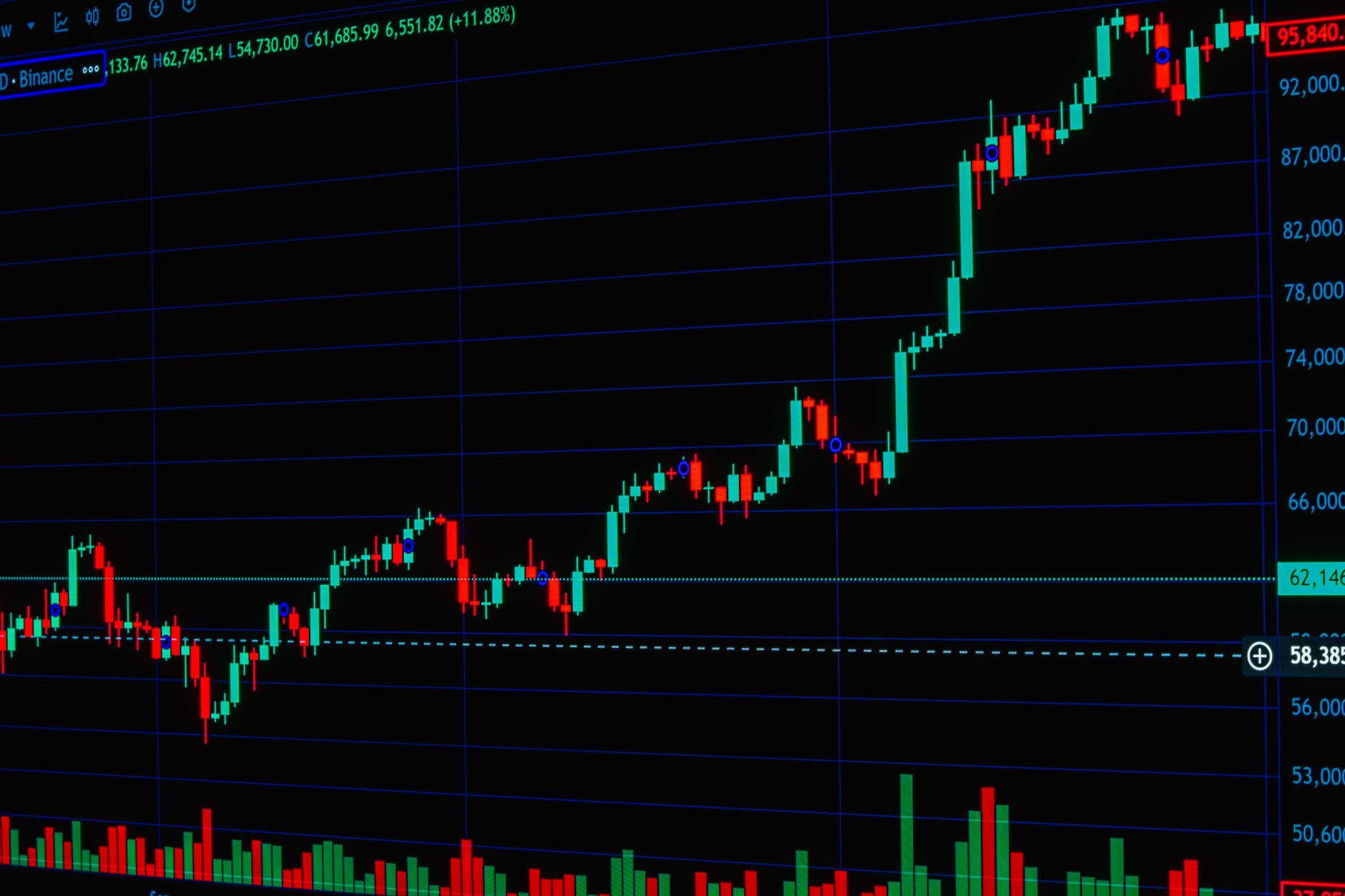
Bitcoin and major crypto-related stocks pulled back following the defeat of the Clarity Act, the latest legislative attempt to establish a structured regulatory framework for digital assets in the United States. The dip was noticeable enough to generate headlines, but the market reaction stopped well short of a rout – and analysts who spoke with The Block were quick to frame the selloff in narrow terms.
The legislative failure landed at a moment when crypto markets were already sensitive to broader macroeconomic signals. That timing made it harder to isolate the Clarity Act’s specific impact from the ambient noise of rate expectations and risk-asset sentiment that has been shaping price behavior throughout the year.
What Analysts Actually Said
The clearest takeaway from analyst commentary was the phrase “nothing truly structural.” That assessment, shared with The Block, suggests that however disappointing the Clarity Act’s defeat may be from a policy standpoint, it does not fundamentally alter the mechanics driving crypto valuations. Regulatory clarity would have been welcome, but its absence does not break anything that was previously working.
That framing matters because it directly challenges the instinct to read legislative setbacks as category-level threats. If the defeat of a major crypto bill were truly structural, it would imply that the market’s forward trajectory depended on that specific piece of legislation passing. Analysts are saying it does not – that the infrastructure underneath crypto pricing is built on different ground entirely.

Rates, Monetary Conditions, and the Actual Mechanism
What analysts told The Block is that crypto markets will continue moving with interest rates and the broader monetary environment. That is not a new observation, but the Clarity Act moment gives it fresh context. As long as rate policy and liquidity conditions remain the dominant variables, regulatory headlines will register as short-term volatility events rather than directional inflection points.
This relationship between crypto and monetary conditions has grown more visible over the past two years as the Federal Reserve’s rate cycle has had measurable effects on risk asset flows. Bitcoin, in particular, has tracked shifts in rate expectations with increasing fidelity – rallying when rate cuts appear closer and pulling back when tighter conditions look more durable. That pattern, more than any single piece of legislation, has defined price behavior.
Crypto stocks followed bitcoin lower after the Clarity Act news broke, which is consistent with the way equity markets have begun treating digital asset exposure as a correlated risk category. When sentiment shifts, the stocks move with the underlying asset rather than independently on the basis of their own regulatory exposure. That correlation further supports the analyst view that the bill’s defeat was absorbed as a sentiment event, not a structural one.
The broader monetary environment also encompasses dollar strength, global liquidity cycles, and Treasury yield movements – all of which have proven capable of moving crypto markets more decisively than domestic policy news. An investor trying to position around that landscape will spend more time watching the Fed than monitoring Senate floor votes.
What Clarity Would Have Done – and Didn’t
The Clarity Act was designed to resolve longstanding ambiguities about how digital assets are classified and regulated in the United States. Its defeat leaves those ambiguities in place, which carries real costs for businesses trying to operate in the space and for institutional investors who have been waiting on clearer legal footing before expanding exposure. None of that is trivial.
But “costly” and “structural” are different things. The absence of the Clarity Act means the industry continues to operate under existing frameworks – fragmented, often contradictory, and frequently litigated – rather than a unified statutory structure. That is the status quo the market has already priced, which helps explain why the selloff was contained rather than extended.
The Gap Between Policy Hopes and Price Reality
One tension worth holding onto is that the crypto industry has spent considerable energy arguing that regulatory clarity is essential to mainstream adoption and institutional inflows. Lobbying efforts, trade group statements, and executive commentary have consistently pointed to the absence of clear rules as a barrier to growth. If analysts are now saying the Clarity Act’s defeat changes nothing structural, that creates a somewhat uncomfortable gap between the industry’s stated position and the market’s apparent indifference.
It is possible both things are true at different time horizons. In the short term, rates and monetary conditions dominate. Over a longer arc – measured in years rather than months – the regulatory environment may prove more determinative for the scale of institutional participation and the range of products that can be brought to market. The Clarity Act was aimed at that longer horizon, and its defeat pushes that timeline out rather than eliminating it.
What remains is a market that dipped on legislative news, recovered its composure quickly enough to generate analyst commentary about overreaction, and returned its attention to the data points that have mattered most: rate signals, liquidity conditions, and the Federal Reserve’s next move. For anyone trying to understand where bitcoin goes from here, the Senate’s calendar is probably the wrong place to look – but the Fed’s meeting schedule is a different matter entirely.
Comments are closed, but trackbacks and pingbacks are open.