
India’s Arya.ag to put grain ownership records on Avalanche
Tokenizing the Warehouse Receipt
India-based agricultural platform Arya.ag is building a system to record grain ownership on the Avalanche blockchain, a move that would bring one of the country’s oldest and most paper-dependent financial instruments into the digital asset era. Warehouse receipts – documents proving that a farmer has deposited grain in a certified facility – have historically served as collateral for agricultural loans, but their paper-based form makes them slow to verify, easy to forge, and difficult for lenders to trust at scale.
Arya.ag’s approach would tokenize those receipts, anchoring the underlying ownership data on Avalanche’s public ledger. No launch date has been announced, and the company has not disclosed how large an initial deployment might be.
What the System Would Actually Do
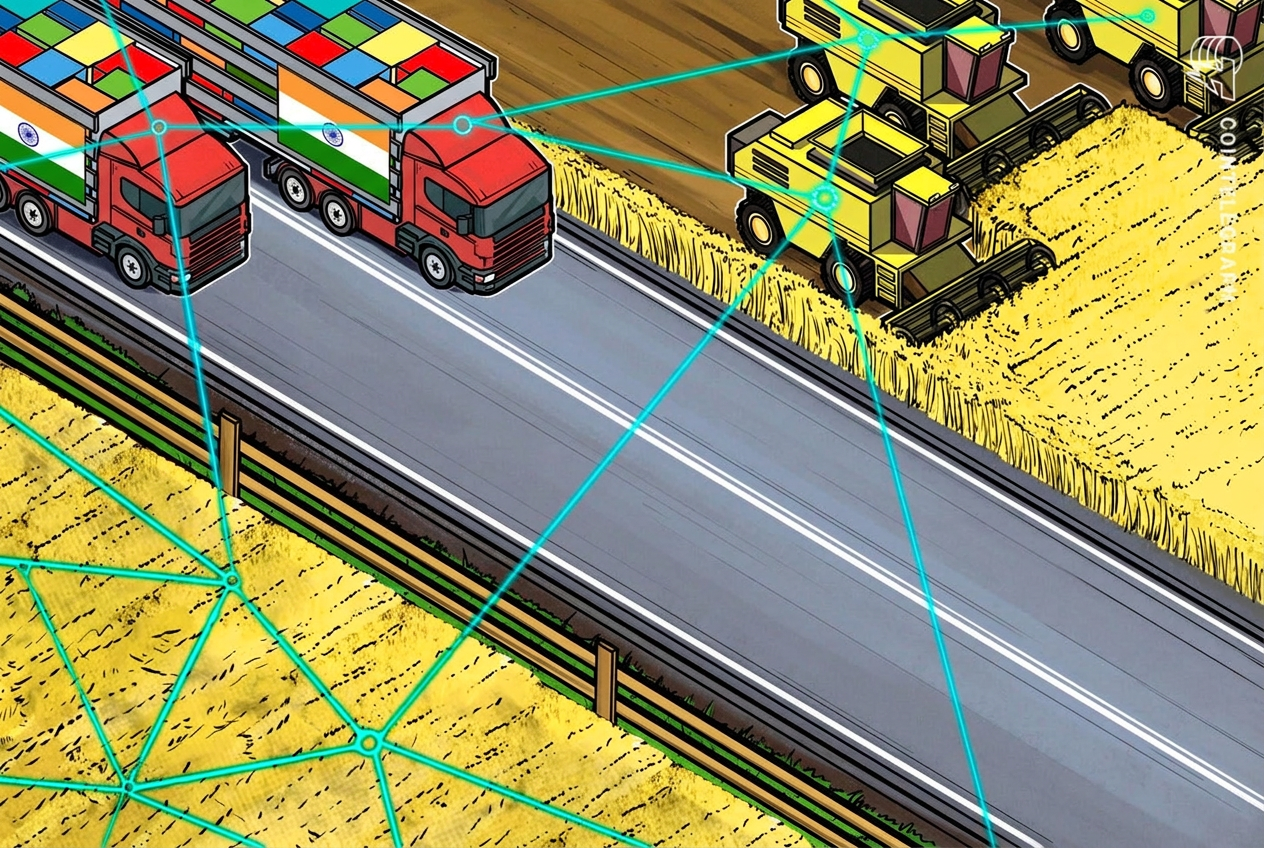
The platform is designed to pull together data that currently lives in separate silos: farmer identity records, grain inventory figures, warehouse operator details, insurance coverage, and loan status. By combining those five data streams into a single on-chain record, the system would give lenders a consolidated view of a borrower’s collateral position in something closer to real time, rather than requiring manual document collection across multiple institutions.
Avalanche’s architecture suits that kind of use case because it supports application-specific subnets – private or semi-private chains that can run under custom rules while still settling on the broader network. That matters for agricultural finance in India, where regulatory requirements around grain storage and lending are layered and institution-specific. Arya.ag has not specified whether it would deploy on a public Avalanche subnet or build a dedicated one.
For lenders, the value proposition is straightforward: a tokenized receipt tied to verifiable on-chain data is harder to double-pledge than a paper certificate. Double-pledging – using the same physical grain stock as collateral with two different lenders simultaneously – is a known fraud vector in commodity-backed lending across emerging markets. Blockchain-based ownership records create a single source of truth that any permissioned participant can check before extending credit.

Agriculture, Blockchain, and the Collateral Problem
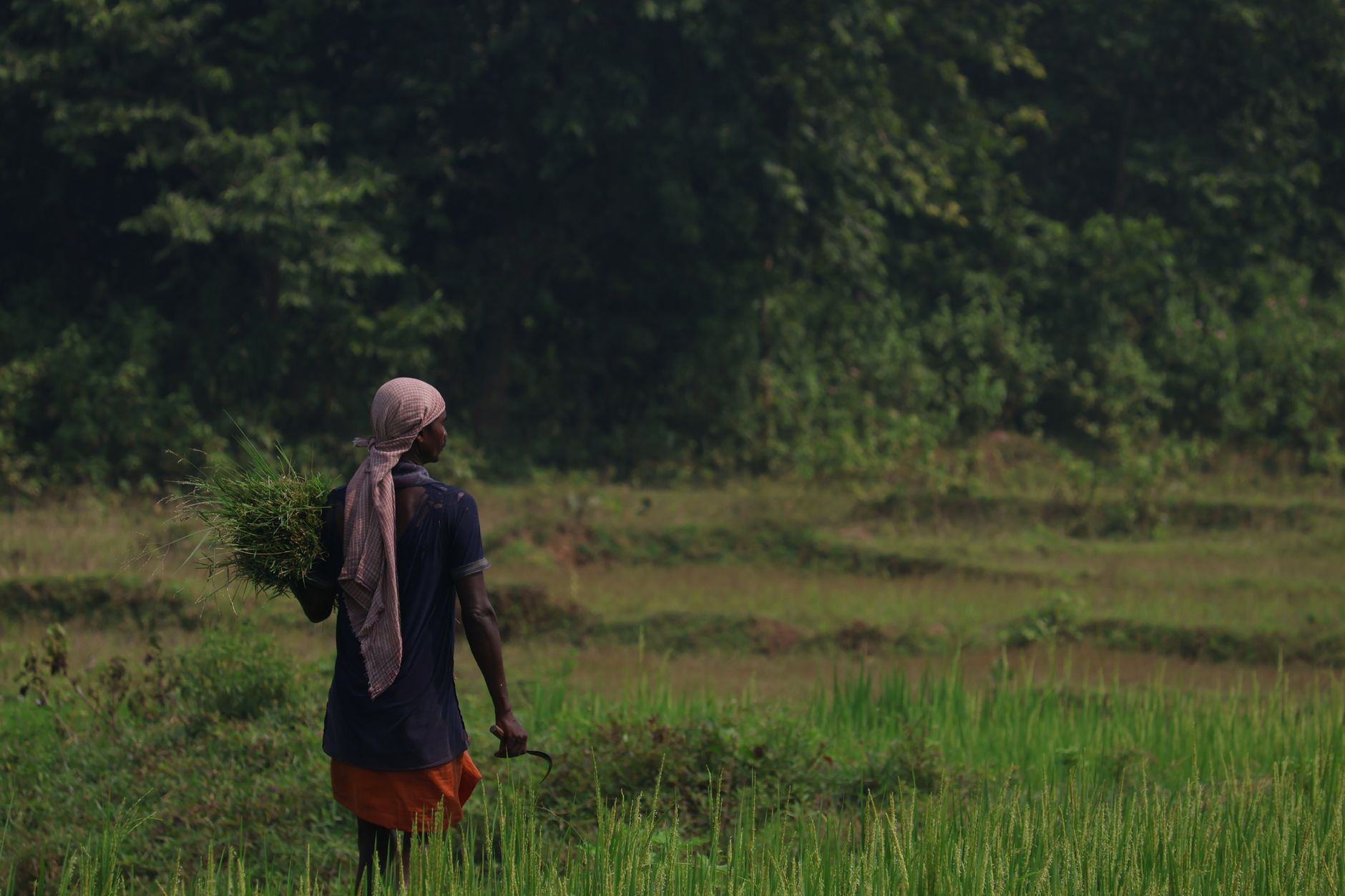
India’s agricultural credit market is large and structurally underserved. Smallholder farmers frequently lack the documented collateral needed to access formal bank financing, and when they do hold warehouse receipts, the paperwork can take days or weeks to process through a loan application. Digital receipts that lenders can verify in minutes – rather than waiting for physical documents to travel between a rural warehouse and an urban credit desk – could compress that timeline significantly.
Arya.ag already operates as a post-harvest management company, running a network of warehouses and providing storage, financing, and commodity management services to farmers. That existing infrastructure gives the tokenization project something most blockchain-in-agriculture announcements lack: actual physical grain, actual warehouses, and an existing lender relationship base that would need to adopt the new system for it to function. The blockchain layer sits on top of a real operational network, not a theoretical one.
Avalanche has been positioning itself for real-world asset tokenization use cases over the past two years, competing with Ethereum-based platforms and newer chains like Stellar and Polygon for institutional deployments. Grain receipts in India would represent an entry into agricultural commodity tokenization – a category that has seen pilots in several countries but few systems that reached meaningful operational scale. The reasons those earlier efforts stalled varied: regulatory ambiguity, low lender adoption, and the difficulty of connecting on-chain data to physical inventory audits.
Arya.ag’s integration of insurance data into the token record addresses one of those gaps directly. If a warehouse storing tokenized grain suffers damage and the insurance claim status is visible on-chain alongside the ownership record, a lender can assess collateral risk more accurately than if those two data points exist in separate systems with no automated link between them. Whether insurers operating in India’s agricultural sector will agree to feed live policy data into a blockchain system is a question the company has not yet answered publicly.
What Remains Unknown
The absence of a launch date or deployment scale figure is notable. Agricultural tokenization projects in other markets – including commodity-backed pilots in sub-Saharan Africa and Southeast Asia – have often announced with significant fanfare and subsequently struggled to move from proof-of-concept to live lending activity.
What Arya.ag has going for it is the combination of its own warehouse network and an established presence in agricultural lending facilitation. The harder question is whether the lenders it works with will modify their internal credit processes to accept on-chain data as sufficient verification – or whether they’ll treat the blockchain record as supplementary documentation that still requires the same manual review as a paper receipt.
Comments are closed, but trackbacks and pingbacks are open.