
Coinbase Chief Pushes SEC and CFTC as Crypto Bill Stalls
Armstrong Stops Waiting for Capitol Hill
Brian Armstrong has run out of patience with Congress. After the CLARITY Act failed to advance, Coinbase’s chief executive publicly called on the SEC and CFTC to move on digital asset regulation without waiting for legislators to agree on a framework – a pointed shift from the industry’s years-long posture of lobbying for a clean statutory fix before engaging directly with regulators.
The message was blunt: the industry can’t wait on Congress anymore.
The failure of the CLARITY Act marks a significant setback for crypto’s legislative push. The bill was designed to draw a hard jurisdictional line between the SEC and CFTC, settling the long-running dispute over which agency holds authority over which digital assets – a question that has left exchanges, token issuers, and traders operating under genuine legal ambiguity for years. Without it, the two agencies remain in an overlapping gray zone, and the legal exposure for market participants doesn’t shrink.
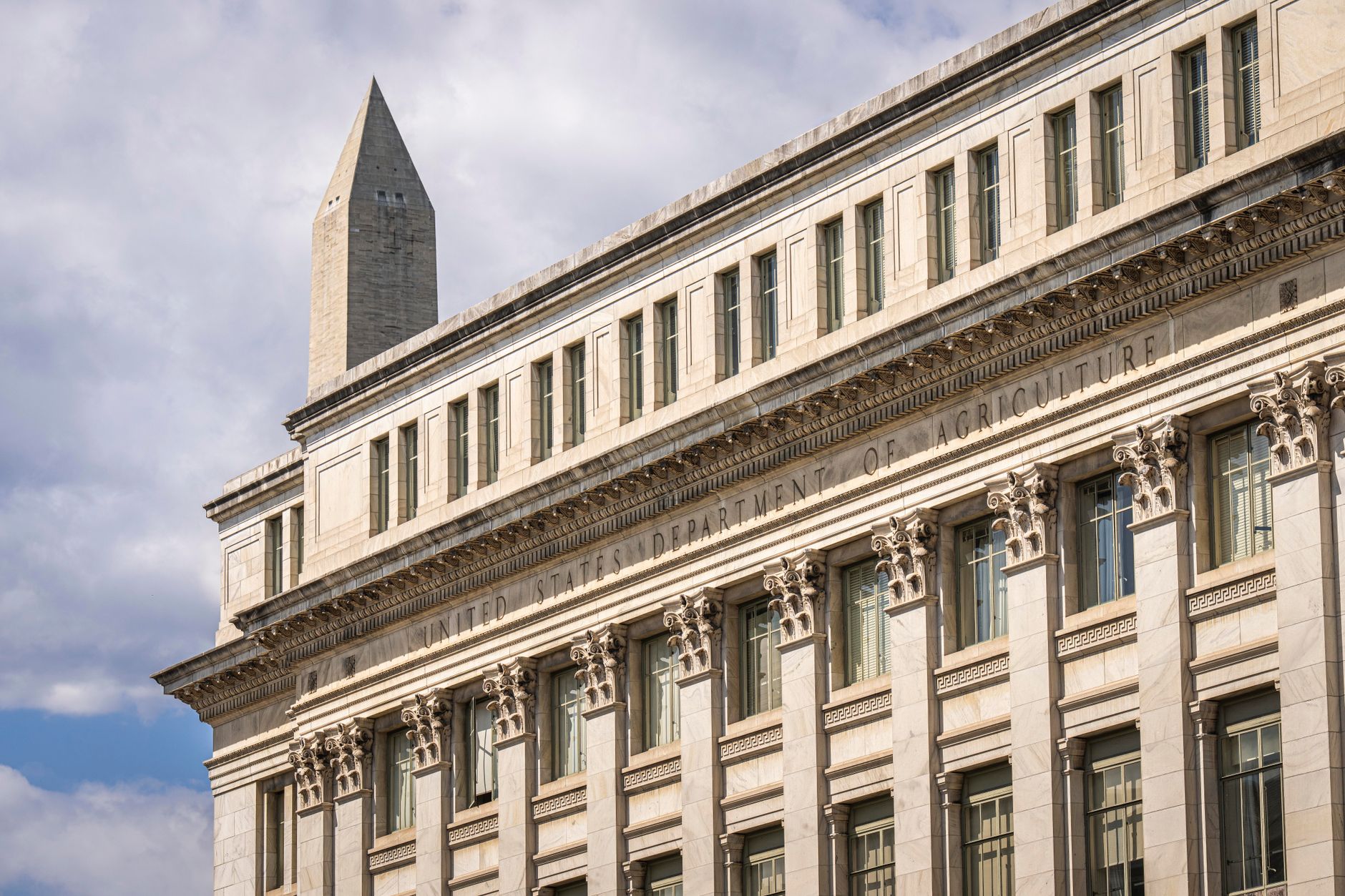
What the CLARITY Act Was Supposed to Fix
The core tension the bill targeted is structural. The SEC has historically claimed authority over assets it deems securities, including many tokens sold in initial offerings, while the CFTC has jurisdiction over commodities and their derivatives. Bitcoin sits clearly in the CFTC’s lane by most readings. Ethereum’s status has shifted back and forth. Everything else – the thousands of tokens trading daily across centralized and decentralized platforms – exists in a regulatory no-man’s-land that neither agency has fully mapped.
For traders, that ambiguity has real consequences. Platforms restrict products, delay listings, or geo-block U.S. users specifically because the legal classification of an asset can change retroactively depending on which regulator decides to act. Coinbase itself has faced SEC scrutiny over which assets it lists and whether those listings constitute offering unregistered securities. Armstrong’s call for agency-level action rather than congressional action is partly a recognition that waiting for a bill means waiting indefinitely – and the exchange’s business operates on a shorter timeline than the legislative calendar.
The CFTC, for its part, has generally signaled more openness to crypto markets than the SEC under previous leadership. The agency already oversees Bitcoin and Ethereum futures, and several commissioners have publicly argued for expanding the CFTC’s spot market authority. Whether that appetite translates into formal rulemaking without a statutory mandate from Congress is a different matter entirely.

Fairshake, Political Money, and What the Industry Is Actually Buying
Armstrong’s regulatory push doesn’t exist in isolation from crypto’s political spending apparatus. Fairshake, the crypto-backed super PAC, has become one of the largest independent expenditure vehicles in recent U.S. election cycles, pouring money into races on both sides of the aisle to elect candidates seen as friendly to digital asset regulation. The PAC’s reported strategy heading into the next cycle raises a straightforward question that the industry has largely avoided answering in public: what specific policy outcomes does that spending expect in return?
That question matters because the CLARITY Act’s failure happened in a political environment where crypto already had significant friends in both chambers. The bill didn’t die from lack of political will in the abstract – it died because the specifics of jurisdictional carve-outs, definitions of decentralization, and the treatment of proof-of-work versus proof-of-stake assets proved too technically contentious to resolve through normal legislative horse-trading. Money can move votes; it is considerably less effective at resolving genuine technical disagreements between agency lawyers and committee staff over what constitutes a commodity.
Armstrong’s pivot toward the SEC and CFTC directly may reflect a calculation that administrative rulemaking, while slower and more fragile than statute, is at least achievable on a timeline that doesn’t require waiting for a Congress that has repeatedly demonstrated it can agree on the problem without agreeing on the solution.
Agency Action Has a Shorter Shelf Life
The practical risk in bypassing Congress is durability. Rules issued by the SEC or CFTC through administrative processes can be reversed by the next administration, challenged in court, or simply reinterpreted by new agency leadership. A statute is harder to undo. The industry has understood this for years, which is why the legislative strategy was never purely about speed – it was about locking in a framework that would survive changes in the White House and agency appointments.
That logic hasn’t changed. What has changed is Armstrong’s apparent tolerance for regulatory uncertainty while waiting for the durable solution. Running a publicly traded exchange under ongoing SEC scrutiny, with traders and institutional clients demanding clearer product availability and legal standing, compresses the timeline considerably. A CFTC rulemaking that expands spot market oversight – even if it could theoretically be unwound in four years – would immediately affect what Coinbase can offer, how it prices compliance risk, and where institutional money flows on the platform.

Fairshake’s next moves will be worth watching closely. If the PAC shifts its candidate criteria in response to the CLARITY Act’s failure – prioritizing members who sit on the specific agriculture and banking committees that control CFTC and SEC reauthorization, rather than simply candidates who express general support for crypto – that would signal the industry is operating with more tactical precision than its critics typically credit. If the spending patterns stay diffuse, Armstrong’s urgency at the executive level may not be matched by the political infrastructure the industry has spent hundreds of millions of dollars building.
The SEC’s next scheduled comment period on digital asset custody rules opens a concrete window. Whether Armstrong’s public pressure produces a response from either agency – or whether it lands as another statement into a regulatory void – depends on decisions being made right now inside buildings on Constitution Avenue that no super PAC contribution directly controls.
Comments are closed, but trackbacks and pingbacks are open.