
DOJ Charges Two Ex-Robinhood Engineers Over Crypto Front-Running Scheme
Insider Access Turned Into a Trading Edge
Federal prosecutors have charged two former Robinhood engineers with front-running the company’s own cryptocurrency listing announcements, using advance knowledge of which tokens would go public to buy positions before ordinary investors ever saw a headline.
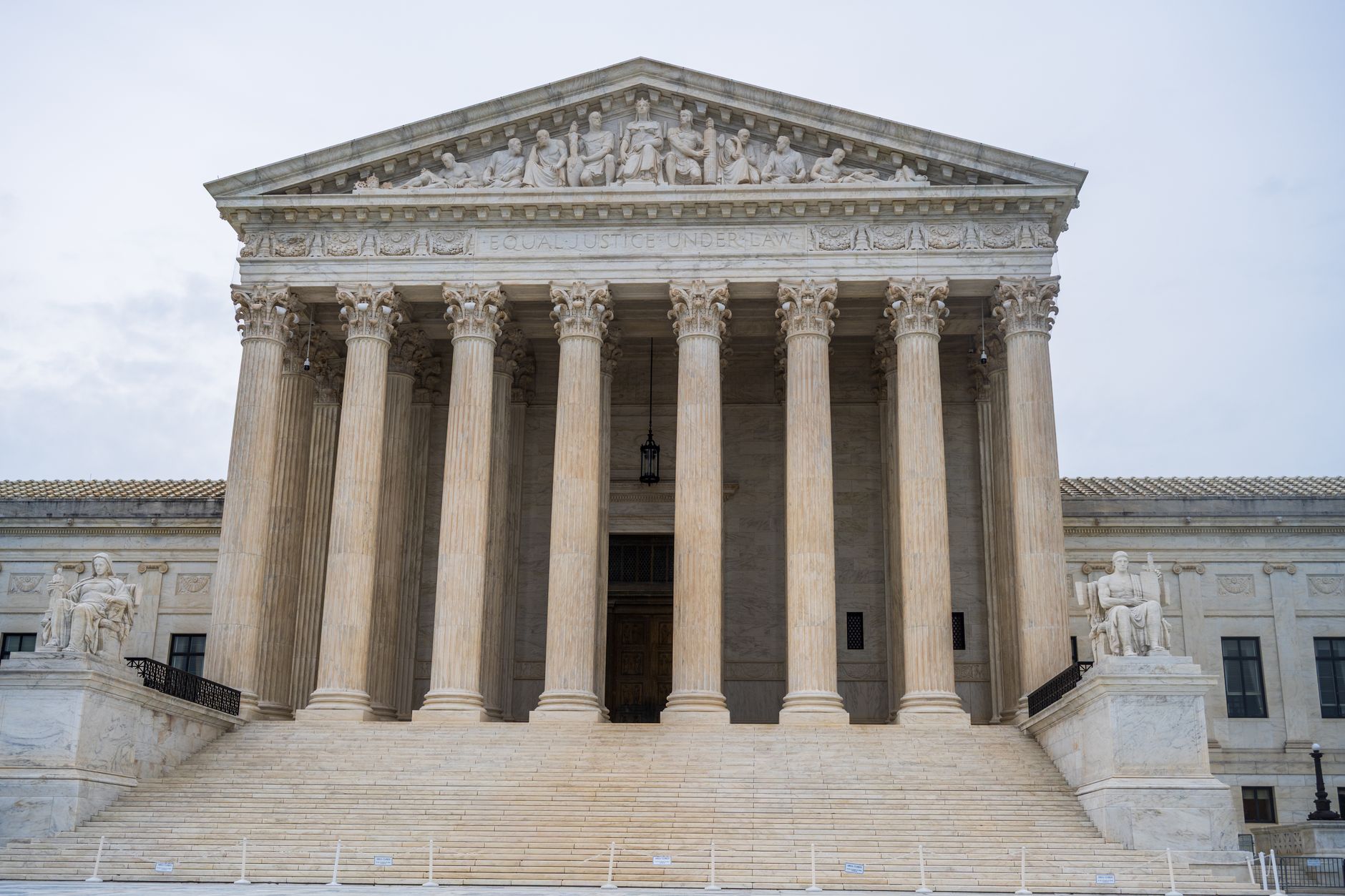
The charges, filed by the Department of Justice, center on a pattern of trading that allegedly took place between 2025 and 2026. According to prosecutors, both individuals acquired stakes in specific tokens ahead of Robinhood’s public listing announcements – moves that would almost certainly generate profit, since asset prices routinely spike when a major retail platform adds them to its menu. The scheme worked precisely because listing announcements are market-moving events, and the engineers knew those announcements were coming.
What makes the case structurally notable is where the alleged front-running occurred: Hyperliquid, a decentralized perpetuals exchange that has attracted significant volume from sophisticated traders. Using a decentralized venue rather than a centralized exchange might seem like a way to obscure activity, but federal investigators tracked the positions back to the defendants regardless. The choice of Hyperliquid also raises questions about whether the platform’s on-chain transparency – every trade is publicly visible – actually made it easier for investigators to build a timeline.
Front-running in traditional securities markets is a well-established category of insider trading. Applying that framework to crypto listings is more legally complex, since most tokens are not classified as securities, and regulatory lines around digital asset market manipulation remain contested. The DOJ’s decision to pursue charges anyway signals that prosecutors are increasingly comfortable treating crypto market misconduct as a federal crime regardless of how the underlying assets are classified by the SEC or CFTC.
Robinhood itself has not been named as a defendant or accused of wrongdoing. The alleged conduct was carried out by two individuals exploiting their internal access – not a systemic failure the company designed or endorsed. Still, the case lands at an uncomfortable moment for a platform that built its brand around democratizing market access.
How the Alleged Scheme Operated
The mechanics prosecutors describe are straightforward. Robinhood, like any major exchange, evaluates tokens before listing them. That evaluation process involves internal discussions, due diligence, and eventual approval – all of which happens before any public announcement. Anyone sitting inside that process, or with visibility into it, learns which tokens are cleared for listing before the rest of the market does.

Once a listing goes live, retail demand typically floods in. Prices jump. A trader who bought a token the day before the announcement can sell into that wave and pocket the difference. The two engineers allegedly did exactly that, repeatedly, across multiple tokens between 2025 and 2026. The prosecution does not characterize this as a one-time lapse in judgment – it describes a sustained pattern, which suggests the defendants understood what they were doing and continued anyway.
Hyperliquid was the venue of choice. The platform operates as a decentralized exchange with on-chain order books, meaning every position is recorded on a public ledger. That transparency cuts both ways. It gives traders and investigators alike a permanent, immutable record of when positions were opened, at what price, and in what size. If investigators suspected front-running, they could reconstruct the defendants’ trading history with a precision that would be harder to achieve on a platform with off-chain records or private custody.
The timing is the prosecution’s core evidence. Positions taken shortly before listing announcements, in tokens that then spiked upon announcement, create a statistical pattern that is difficult to explain through coincidence. Federal prosecutors have used similar timing-based arguments in insider trading cases involving traditional equities – applying the same logic to crypto listings is a natural extension, even if the legal scaffolding is still being built.
It is worth noting what the charges do not require prosecutors to prove: that the tokens themselves are securities. The DOJ has other legal tools available – wire fraud statutes, for instance – that can apply to schemes involving digital assets without resolving the underlying classification debate. That flexibility has made federal prosecutors more aggressive in this space than the slower-moving regulatory agencies, which remain locked in definitional disputes about what counts as a security and who has jurisdiction over what.
The use of wire fraud charges in crypto misconduct cases has accelerated over the past two years, and this case fits that pattern. By framing the alleged conduct as a scheme to defraud – rather than insider trading in the strict securities-law sense – prosecutors sidestep the asset classification question entirely and focus on the deceptive conduct itself. That framing has proven durable in court.
Pressure on Platforms and Employees
For exchanges like Robinhood that are actively expanding their crypto offerings, the case underscores an internal security problem that has no clean solution. Listing decisions have to involve people. People with access to non-public information can act on it. Tighter internal controls, surveillance of employee trading accounts, and delayed vesting tied to listing timelines are all partial mitigations – but none of them eliminates the risk entirely. The employees who know the most about upcoming listings are often the same employees trusted most by the organization.

The charges arrive as Congress continues to debate frameworks for crypto market structure and insider trading rules specific to digital assets. Legislative efforts to establish clearer rules around crypto trading conduct have stalled repeatedly, leaving prosecutors to work with existing statutes while the policy vacuum persists. For the two former Robinhood engineers, that vacuum offered no protection – federal charges landed anyway, built on legal tools that predate crypto by decades. The question now is whether a conviction would require prosecutors to prove the tokens were securities, or whether the wire fraud framing holds all the way through trial.
Comments are closed, but trackbacks and pingbacks are open.