
Senate Kills Clarity Act Vote, Crushing
A Door Slams Shut in Washington
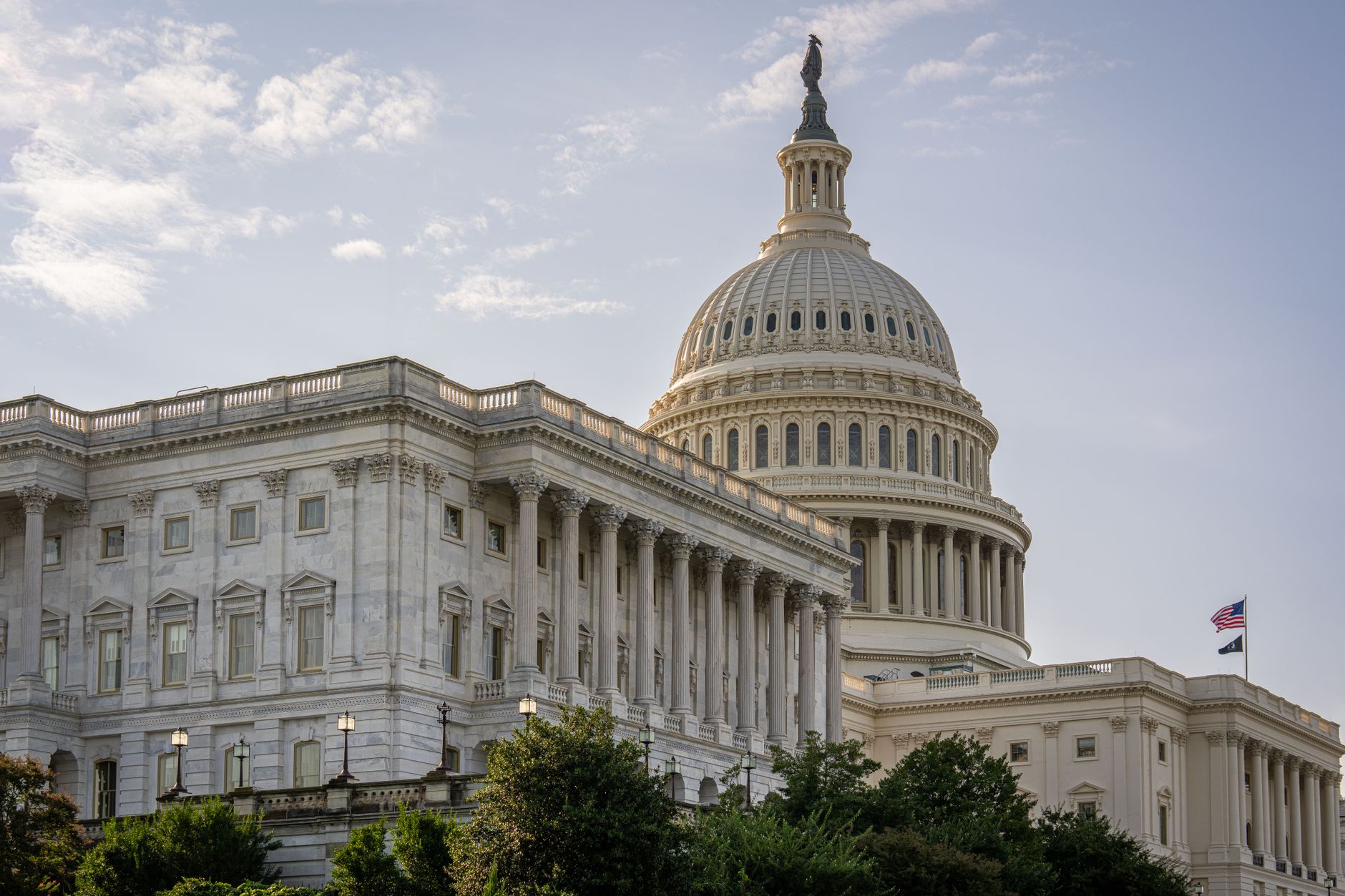
The digital asset industry’s most ambitious attempt at federal regulatory clarity collapsed Tuesday when a procedural Senate vote on the Clarity Act failed, dealing a severe blow to legislation that crypto advocates had spent years pushing toward passage.
What the Failed Vote Actually Means
The vote was procedural – a cloture motion, most likely, designed to move the bill forward for full debate – which means the Clarity Act did not die on its substantive merits but on Senate mechanics. That distinction matters because procedural failures are sometimes recoverable. But in this case, the collapse was described as spectacular, suggesting the margin was not close and the political coalition behind the bill had not held together when it counted.
The Clarity Act had positioned itself as the most significant piece of digital asset legislation ever to reach this stage of the American legislative process. The bill’s core ambition was to draw clear jurisdictional lines between the Securities and Exchange Commission and the Commodity Futures Trading Commission – a boundary dispute that has paralyzed enforcement, frustrated exchanges, and left token issuers guessing about their legal status for the better part of a decade.
Without that clarity, the industry continues operating in a regulatory gray zone where enforcement actions substitute for rulemaking. The SEC and CFTC have both claimed authority over overlapping categories of digital assets, and courts have produced conflicting rulings that vary by circuit, by token, and by the specific conduct alleged. The Clarity Act was meant to resolve that by statute rather than litigation – a far more durable solution.
Industry reaction was blunt. The phrase “this one stings” circulated immediately after the vote, capturing the emotional weight of watching years of lobbying, coalition-building, and legislative compromise fail at a procedural hurdle. The crypto sector had invested heavily – financially and politically – in seeing the Clarity Act advance, and Tuesday’s vote returned nothing on that investment.

Why the Vote Failed and What Comes Next
The specifics of why the procedural vote collapsed are telling. Cloture motions in the Senate require 60 votes to succeed, meaning any piece of legislation that fails this threshold lacked bipartisan support deep enough to overcome the chamber’s structural resistance to moving quickly on anything. Digital asset legislation has historically attracted a patchwork of supporters – some motivated by genuine policy interest, others by campaign contributions from crypto-aligned PACs – and that coalition is fragile when party discipline or competing priorities pull senators in different directions.
The timing also matters. September 2026 places this vote inside an active political cycle, and senators weighing difficult votes on contested legislation do so with electoral consequences in mind. Crypto has made significant inroads as a political constituency – industry groups spent heavily in the 2024 election cycle and claimed credit for several favorable outcomes – but that influence has its limits when legislation is complex, the opposition is organized, and floor time is scarce.
Consumer protection groups and some progressive Democrats have consistently argued that establishing regulatory clarity for digital assets amounts to legitimizing an industry they view as rife with fraud, market manipulation, and retail investor harm. That opposition, combined with any Republican senators unwilling to advance legislation for procedural or ideological reasons of their own, can easily sink a cloture vote. The math is unforgiving at 60.
There is also a structural question about whether the Clarity Act’s window has now closed for this Congress. Legislative sessions have hard deadlines, and bills that fail procedural votes late in a session face diminishing prospects for revival. Sponsors would need to either renegotiate terms that attract new supporters, wait for a new Congress, or find a vehicle to attach portions of the legislation to must-pass bills – a messy path with no guarantee of preserving the bill’s core architecture.
Some industry observers have floated the possibility that stablecoin legislation, which has moved separately and attracted broader support, could serve as a foothold for renewed momentum. But stablecoin bills address a narrow slice of the regulatory questions the Clarity Act was designed to answer. Treating a stablecoin framework as a substitute for comprehensive market structure legislation would leave the SEC-CFTC jurisdictional dispute entirely unresolved.

Markets Are Watching the Legislative Calendar
For crypto markets, regulatory uncertainty has never been purely abstract. Enforcement actions against major exchanges and token issuers have produced sharp price dislocations, and the absence of a settled legal framework keeps institutional capital cautious. Asset managers considering spot crypto exposure, custody services, or tokenized product offerings all operate with legal risk embedded in their models – risk that the Clarity Act was specifically designed to reduce.
Whether Tuesday’s failure accelerates a regulatory vacuum or simply delays a resolution that eventually arrives in modified form is now the central question hanging over every firm with a compliance team trying to plan for 2027. The bill’s sponsors have not yet said whether they intend to force another vote, seek new negotiations, or acknowledge that the moment has passed – and that silence, for an industry accustomed to reading Washington’s signals, may be the most unsettling detail of all.
Comments are closed, but trackbacks and pingbacks are open.