
Ethereum Faces $18B Options Expiry With Price Direction Unclear
A High-Stakes Settlement Approaches
Ethereum is heading into one of the more consequential options expiry events of the year, with billions in open contracts set to settle imminently. The combined BTC and ETH options expiry carries a notional value exceeding $18 billion, and Ethereum’s share of that figure is large enough to move markets on its own depending on where price sits at settlement.
What makes this expiry particularly worth watching is not just the raw dollar size but the clustering of open interest around specific strike prices – levels that traders have been positioning around for weeks. Where ETH closes relative to those strikes determines how much directional pressure flows into the spot market once contracts expire.
What the Open Interest Structure Actually Shows
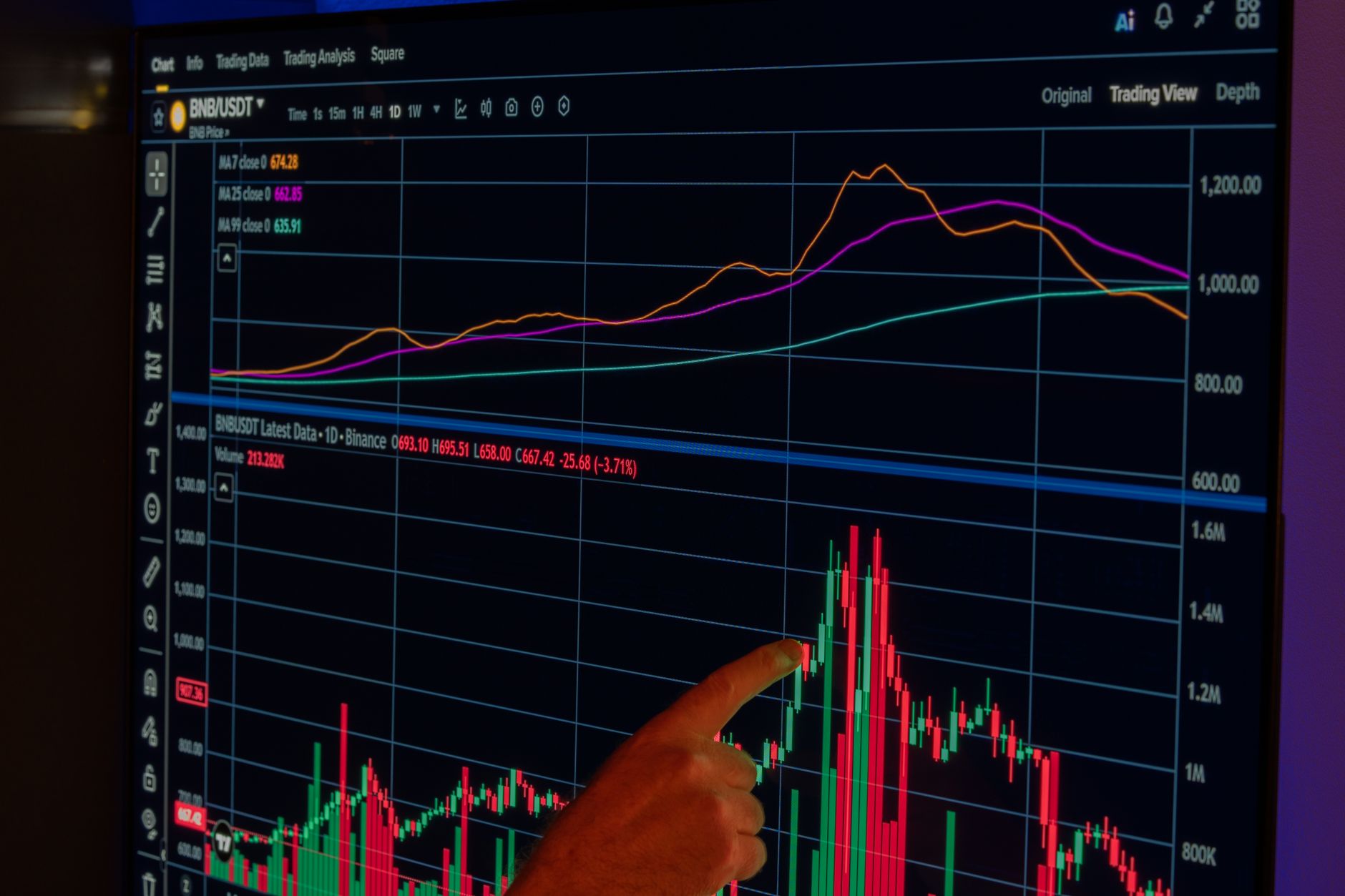
Options markets work through a concept called max pain – the price at which the largest number of contracts expire worthless, inflicting the greatest combined loss on options buyers. Heading into this expiry, Ethereum’s max pain level sits at a price point that has acted as a gravitational center, pulling spot price toward it as market makers hedge their books. This is a mechanical dynamic, not speculation: dealers who have sold options continuously adjust their spot holdings to stay delta-neutral, and that hedging activity can suppress or amplify price moves in the days before settlement.
The put-to-call ratio on ETH options ahead of this expiry reflects a market that leaned bullish during the contract period. More calls were written than puts, meaning a larger proportion of open interest is positioned to profit from price appreciation. When those calls expire out of the money, the unwinding of dealer hedges can remove buying pressure that had been artificially supporting price. When calls expire in the money, the opposite effect can briefly push price higher post-settlement as positions are rolled forward.
Implied volatility on Ethereum options had been elevated in the lead-up to the expiry date, which is consistent with how the market behaves ahead of large settlement events. Elevated IV means options premiums are expensive, and traders who sold those premiums – collecting income by writing contracts – are now rooting for a quiet, range-bound settlement. A sharp move in either direction would validate the buyers and punish the sellers, adding another layer of incentive for price to stay anchored near max pain through expiry.
Ethereum’s Position in the Broader Market
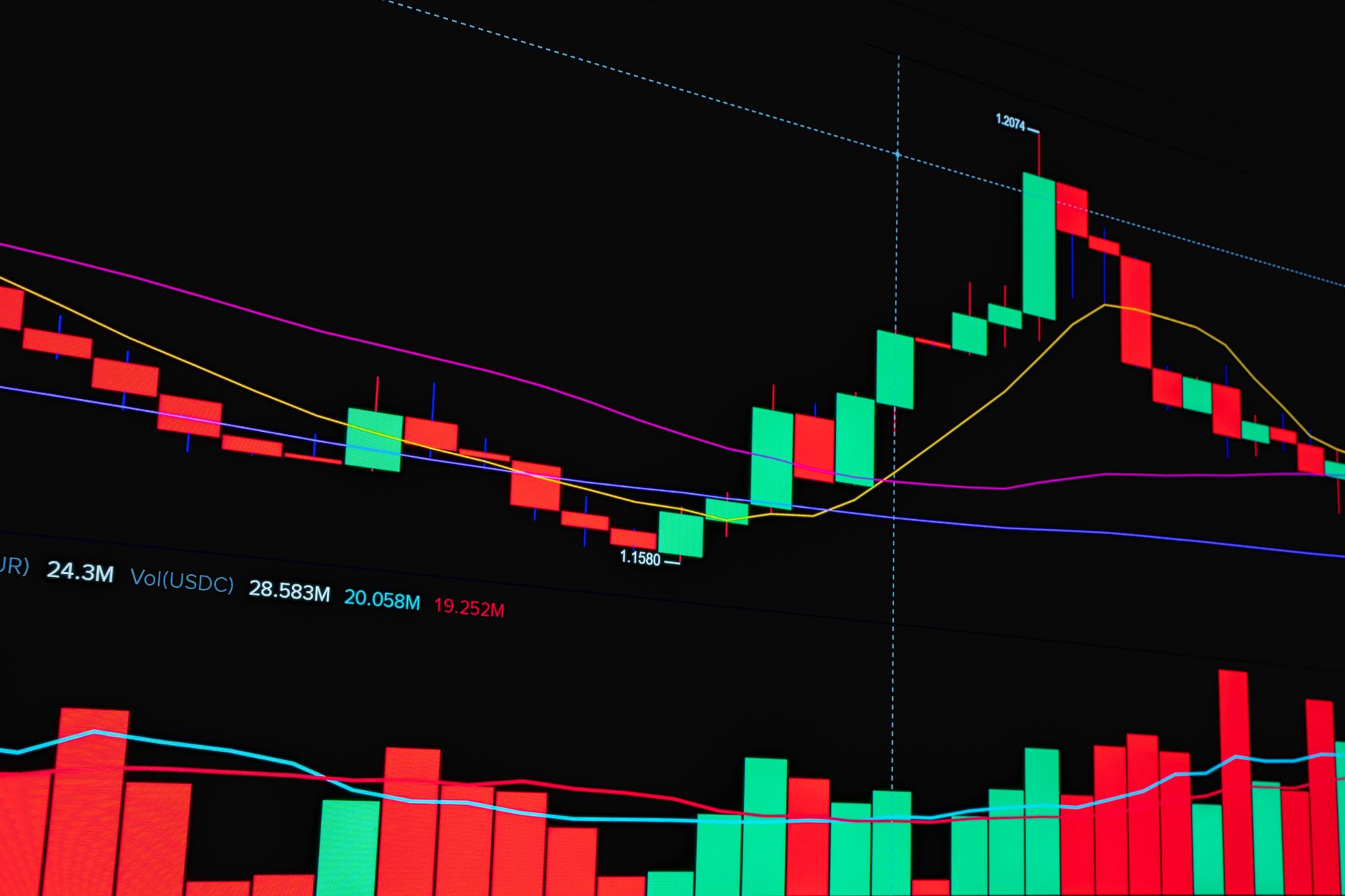
Ethereum has been trading in a range that puts it in an awkward spot ahead of settlement. The asset is neither clearly breaking out nor showing a decisive technical failure, which is exactly the kind of indecision that tends to persist into major expiry events. Spot demand has been inconsistent, and the derivatives data tells a story of a market waiting for a catalyst rather than committing to a direction.
The $18 billion combined options expiry places both Bitcoin and Ethereum under simultaneous pressure, and the two markets do not move in isolation. Bitcoin holding above $85,000 heading into settlement matters for Ethereum because correlated selling or buying in BTC spills into ETH quickly. If Bitcoin settles cleanly and without a dramatic flush, Ethereum is likely to follow. If BTC becomes volatile around its own max pain level, Ethereum will absorb some of that turbulence regardless of its own options structure.
Post-Expiry: What Happens to Positioning
Once contracts expire, the slate resets. Dealers unwind hedges built during the life of the expired contracts and begin establishing new positions for the next monthly or quarterly cycle. This mechanical repositioning often produces a brief but sharp directional move in the 24 to 48 hours following settlement – a window traders watch closely because it can establish the next near-term trend.
For Ethereum specifically, the post-expiry period will be shaped by whether institutional players roll their call positions forward or let them expire without replacement. Heavy call rolling suggests continued bullish conviction among the options buyer community. A significant drop in open interest after settlement, with no corresponding build in the next expiry cycle, would indicate that positioning was opportunistic rather than structural – traders capturing a specific event rather than expressing a longer-term directional view on ETH.
On-chain data adds a separate dimension to the post-expiry picture. Ethereum’s supply dynamics have been shifting, with the burn mechanism introduced through EIP-1559 continuing to reduce net issuance during periods of elevated network activity. Higher transaction volume means more ETH burned per block, which tightens the circulating supply at the margin. If post-expiry price action draws in spot buyers, the supply-side pressure from burning could amplify upward moves more than a comparable demand surge would in an asset without that deflationary mechanic.
The options market is ultimately a reflection of where sophisticated participants expect price to go – and where they need it to stay to protect their books. Heading into this $18 billion settlement, Ethereum’s options structure suggests the market spent much of the contract period positioned for a move higher that has not fully materialized. What those traders do with their next cycle of positions, immediately after expiry clears, will say more about Ethereum’s near-term direction than anything happening in spot markets right now.

The specific strike clusters with the heaviest open interest don’t disappear the moment contracts expire – they become reference points that the next wave of options writers and buyers use to anchor their own trades, layering a new set of gravitational pulls on top of whatever direction price chooses to move first.
Comments are closed, but trackbacks and pingbacks are open.