
Binance Pool Shuts November 10, Leaving Bitcoin Miners Without a Home
A Major Mining Venue Goes Dark
Binance is pulling the plug on Binance Pool and all associated mining services on November 10. The decision removes one of the more recognizable names from Bitcoin’s mining infrastructure, forcing miners currently operating through the platform to make fast decisions about where to route their hashrate next.
The closure is not a minor administrative change.
Binance Pool had positioned itself as a full-service operation – connecting individual miners and larger operations to the Bitcoin network while offering payout structures and tooling that competed directly with more established players. Shutting it down on a fixed date means that every miner using the service faces a hard deadline, not a gradual wind-down. That kind of abrupt exit creates real pressure on operators who built their configurations around Binance’s infrastructure and may now need to re-evaluate contracts, software setups, and payment routing on short notice.

What the Hashrate Shift Actually Means
Bitcoin’s network hashrate is the aggregate computational power directed at mining new blocks. When a pool closes, the hashrate it was directing does not disappear – miners still have machines running. What changes is where that hashrate goes, and how quickly it redistributes across competing pools. A sharp, concentrated movement of hashrate from one pool into others can temporarily shift the share of block production held by the largest remaining pools, raising questions about how evenly mining power is spread across the network.
Concentration matters because Bitcoin’s security model depends on no single entity controlling a dominant share of hashrate. If Binance Pool’s departing miners flow disproportionately toward one or two large pools rather than spreading across the ecosystem, those pools move closer to thresholds that would give them outsized influence over block ordering. The November 10 date creates a moment where that concentration risk is worth watching closely, even if the total hashrate on the network remains unchanged.
The mining pools most likely to absorb displaced miners are the ones already competing for market share – platforms like Foundry USA, AntPool, and ViaBTC, which have the brand recognition and infrastructure to take on new participants quickly. Smaller pools may also see some inflow, particularly from miners who are deliberately trying to avoid routing their hashrate toward already-large pools. Whether the redistribution ends up being healthy or lopsided depends largely on where miners decide to go in the days immediately surrounding the closure.

Miner Profitability in the Crosshairs
Beyond the hashrate question, the closure has direct implications for miner profitability. Pool selection affects more than just fees – it also determines payout structure, the frequency of earnings, and exposure to variance. A miner in a large pool receives smaller but more frequent payouts because the pool finds blocks regularly. A miner in a smaller pool accepts higher variance in exchange for a larger share of rewards when a block is found. Binance Pool’s exit forces miners to make that choice again, often without as much time as they would prefer to research alternatives.
Switching costs are real. Miners have to reconfigure mining software, update wallet addresses, assess new fee structures, and in some cases renegotiate hosting arrangements if their facility has a preferred pool relationship built into the contract. For large-scale industrial miners running thousands of machines, these transitions are logistical exercises that take days to execute cleanly. For smaller operators, the stakes are different but the friction is just as present – any period of misconfiguration or downtime is direct lost revenue.
Miner profitability was already under pressure heading into this period, with electricity costs remaining a dominant variable and BTC price fluctuations directly affecting the dollar value of block rewards. Adding a forced pool migration on top of existing margin pressure means that the timing of this closure is more disruptive than it might appear from the outside. Miners who are already running thin margins cannot easily absorb even small operational disruptions without it showing up in their bottom line.
Bitcoin Price: The Indirect Connection
Mining operations and Bitcoin’s spot price are linked, though the relationship runs through a few layers. Miners are consistent sellers of BTC – they need to convert block rewards into fiat to cover electricity and operational costs. When mining disruption occurs, even temporarily, it can affect the volume and timing of miner-driven sell pressure. A pool closure that causes some miners to pause operations or delays payouts creates a brief reduction in that selling activity, which can offer marginal support to price. Conversely, miners who move quickly between pools and maintain uninterrupted output keep sell pressure steady.
The more significant price-related question is whether the closure signals anything broader about Binance’s strategic positioning. Binance has been navigating regulatory pressure across multiple jurisdictions, and product shutdowns – even when framed as routine portfolio decisions – tend to attract interpretation from markets that are already watching the exchange closely. A mining pool closure is a distinct business from spot trading, but both sit under the same brand, and sentiment around one can bleed into perception of the other.
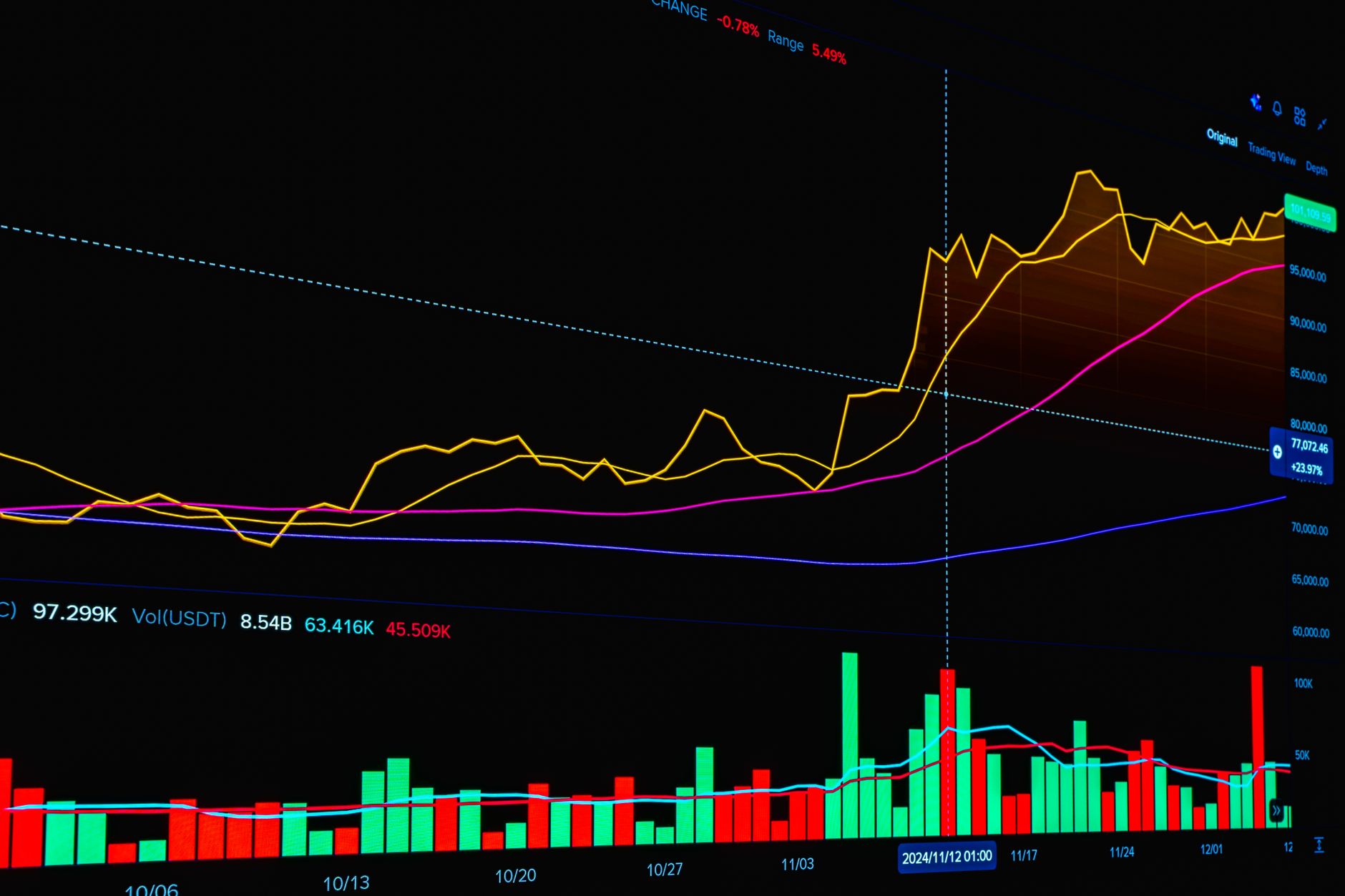
For miners watching BTC price action alongside this closure, the relevant internal dynamic is whether any disruption to hashrate distribution produces visible changes in block times or network difficulty adjustments in the weeks following November 10. Bitcoin’s difficulty adjustment algorithm corrects for large shifts in hashrate automatically, but it operates on a roughly two-week cycle – meaning any hashrate volatility around the closure date would show up in block timing before it gets corrected, and miners would feel that in their expected earnings during the adjustment window.
What Miners Do Next
The practical reality for miners on Binance Pool is that November 10 is a firm date, and the work of finding a replacement pool cannot be deferred. The largest pools are equipped to onboard new participants quickly, but miners who wait until the final days risk a disorganized transition. Configuration errors during pool switching are common enough that experienced operators typically run parallel setups for several days before fully migrating – pointing hashrate at a new pool while keeping the old connection active as a fallback until they confirm payouts are processing correctly.
Smaller miners with fewer machines may find this less complicated, but they face a different kind of decision: whether to join a large pool for stability or a smaller one to avoid contributing to concentration risk. That’s not purely an altruistic calculation – smaller pools occasionally offer better fee structures or features that suit certain types of operations, and this moment of forced migration is also a natural point to reassess what a miner actually needs from their pool relationship.
What does not change on November 10 is the Bitcoin network itself. Blocks will continue to be found approximately every ten minutes. The difficulty will adjust as it always does. The rewards will be distributed to whoever found the block. Binance Pool’s exit is a significant event for the miners directly affected, but the network was built to absorb exactly this kind of institutional departure – and the miners who move quickly will lose the least in the process.
The real test is whether the hashrate that leaves Binance Pool consolidates into one or two dominant pools, or fans out across a broader range of operators – and that answer won’t be visible until the first week of data after the closure date comes in.
Comments are closed, but trackbacks and pingbacks are open.