
Robinhood Chain Traders Are Swapping Healthcare Stocks for Memecoins
A New Kind of Trade
On Robinhood Chain, a small but loud corner of decentralized finance has figured out how to pair healthcare stocks against a memecoin called BONER – and the traders doing it seem entirely unbothered by how that sounds.
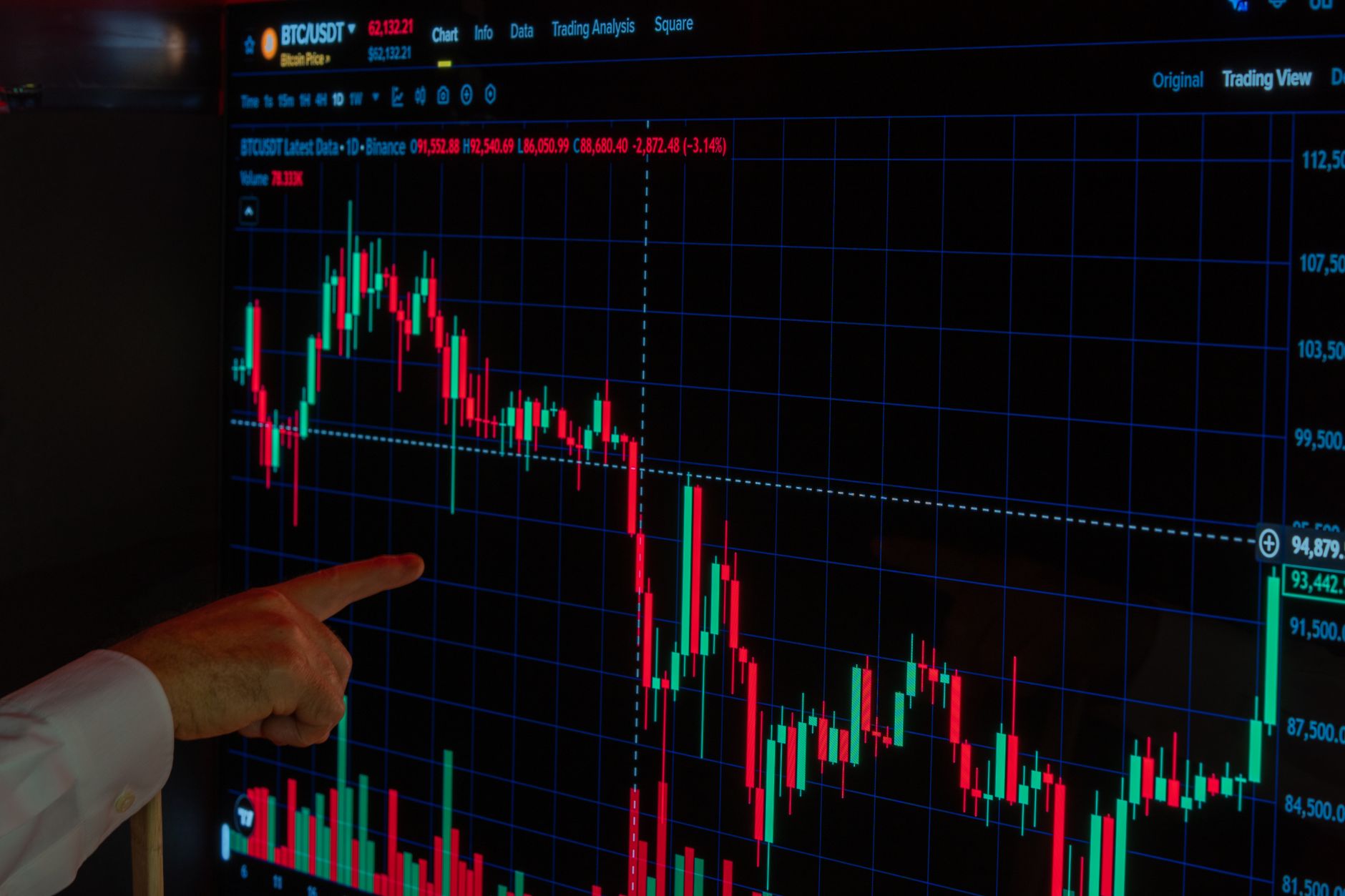
What Is Actually Happening on Robinhood Chain
The core mechanic is straightforward even if the assets involved are not. Robinhood Chain, the blockchain infrastructure tied to the Robinhood brokerage brand, is being used by a cohort of DeFi participants – self-described “degens,” shorthand for degenerates, a term the crypto-native community wears as a badge – to build trading pairs that would not exist anywhere on a traditional exchange. One side of the pair might be a tokenized healthcare stock. The other side is BONER, a memecoin with no pretense of utility and every intention of being exactly what it looks like.
The concept of trading real-world assets against memecoins is not technically new to DeFi. Liquidity pools have long allowed any two tokens to be paired if someone is willing to seed both sides with capital. What makes this moment different is the venue. Robinhood as a brand carries weight with retail investors who never touched a hardware wallet, and a chain bearing that name hosting BONER/healthcare-stock pools sends a particular kind of signal about where the boundaries of decentralized finance currently sit.
Degens, in the cultural framing they operate within, are not making these trades despite the absurdity – they are making them partly because of it. The asymmetry is the point. A memecoin can go to zero or it can 50x inside a week, and when you are sitting on the other side of that pair with a relatively stable tokenized equity, the volatility differential creates exactly the kind of speculative surface that this community actively seeks out. Risk is not managed away; it is the product being consumed.
Robinhood Chain itself represents the company’s move deeper into blockchain infrastructure, giving builders and traders access to on-chain tools under a brand that has already normalized commission-free stock trading for millions of people. The chain’s existence creates a technical environment where the distance between a regulated equity and a coin named BONER is, architecturally speaking, just a liquidity pool configuration.
Why This Trade Makes Sense to the People Making It
From the outside, swapping a healthcare stock for BONER looks like noise. From inside the logic of DeFi speculation, it is a fairly deliberate position. The trader who provides liquidity to a pool pairing a tokenized stock with a memecoin earns fees on every swap that moves through that pool. If BONER experiences high trading volume – driven by social momentum, influencer attention, or simple memetic spread – the fee income to liquidity providers can be substantial regardless of which direction the price moves. Volume, not direction, is what pays the liquidity provider.
The other side of the trade, the speculative swap itself, works on a different logic entirely. A trader who believes BONER will rise against a relatively anchored healthcare stock is essentially making a leveraged directional bet without using a formal leverage product. The stock token acts as a denominator. If BONER surges, that trader captures the spread. If it collapses, they are holding more of the stock token than they started with – which, depending on your view of healthcare equities, may or may not feel like a loss.
There is also a social layer that pure financial analysis misses. Memecoin culture runs on attention, and the spectacle of a BONER/healthcare-stock trading pair generates exactly the kind of screenshot-worthy absurdity that travels across crypto Twitter, Discord servers, and Telegram groups. Every share of that pair is ambient marketing for the memecoin itself, which in turn drives price action, which in turn validates the trade for the people who entered early. The loop is self-reinforcing until it isn’t.
What makes BONER specifically interesting – beyond the name – is that it follows a pattern common to memecoins that gain traction: the joke is the brand identity, and the brand identity is functional. Nobody is confused about what BONER is. That clarity of purpose, paradoxically, builds a kind of community coherence that more “serious” tokens sometimes fail to achieve. Holders know they are in on something chaotic, and that shared awareness creates its own social adhesion.
The healthcare stock on the other side of this pair remains, at time of reporting, a real-world asset with earnings reports, regulatory oversight, and analyst coverage that has nothing to do with any of this. That gap – between the bureaucratic gravity of a publicly traded healthcare company and a memecoin called BONER trading against it on a chain named after a brokerage app – is not a bug in the system. For the degens building these pools, that gap is the entire reason to show up.
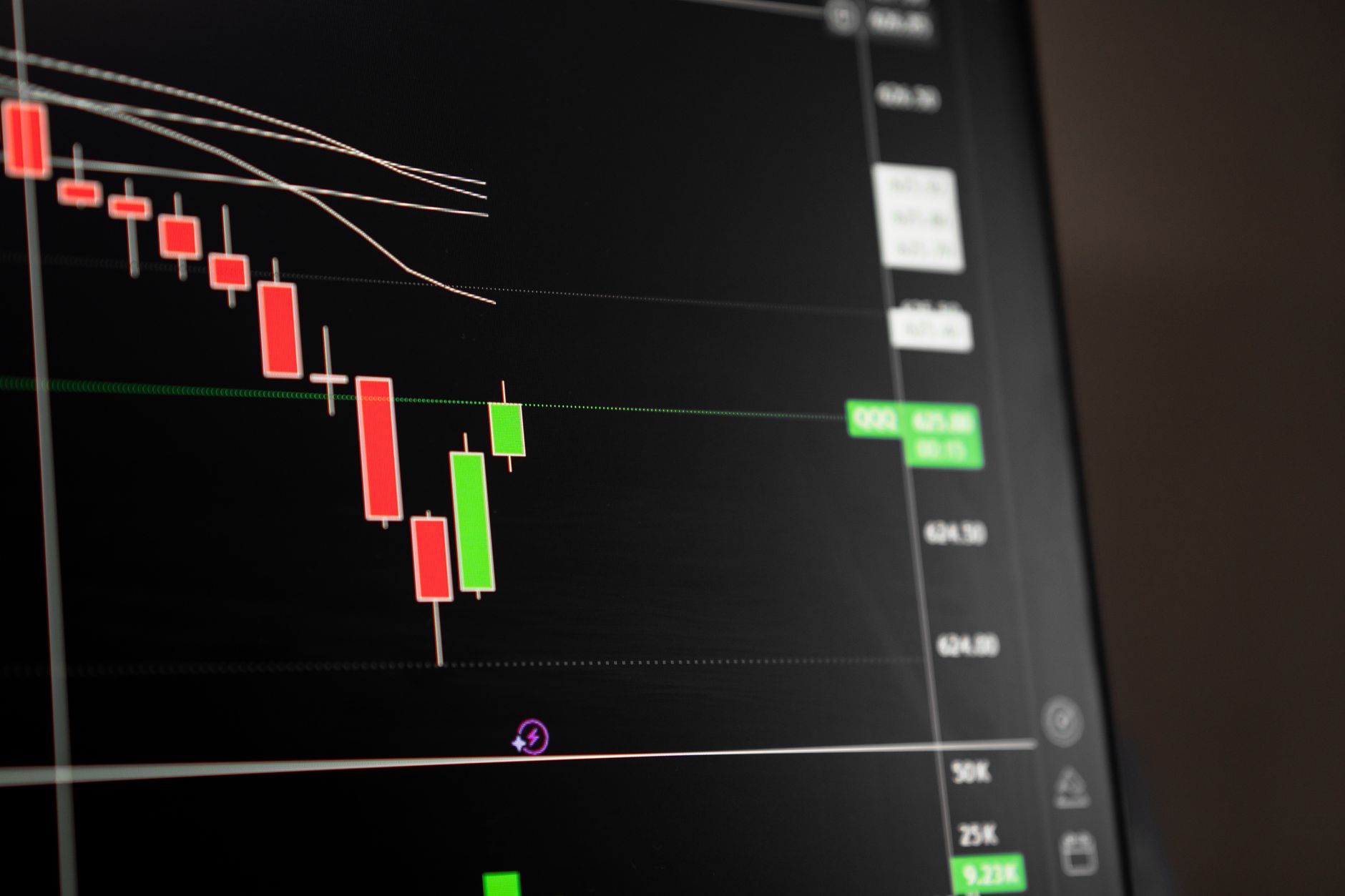
The Infrastructure Enabling All of This
Robinhood Chain’s role here is less about endorsing any specific trading pair and more about having built a permissionless environment where these configurations can exist. Permissionless means exactly that: no approval is required to create a liquidity pool, no committee reviews the token pairings, and no compliance officer is flagging BONER as an inappropriate counterparty to a healthcare equity. The infrastructure is neutral; the traders decide what to do with it.
What remains unresolved is how regulators will eventually look at tokenized equities being traded against memecoins on a chain tied to a licensed brokerage. Robinhood operates under significant regulatory scrutiny in the United States – it settled with FINRA and has faced SEC inquiries historically – and the chain extending into territory where healthcare stocks trade against assets like BONER may eventually draw questions that the underlying technology cannot answer by itself. The degens are not waiting for those answers. They are already in the pool.
Comments are closed, but trackbacks and pingbacks are open.