
Senate Crypto Bill Collapse Sends Bitcoin Short-Term Holders to Exit
A Vote Blocked, a Market Rattled
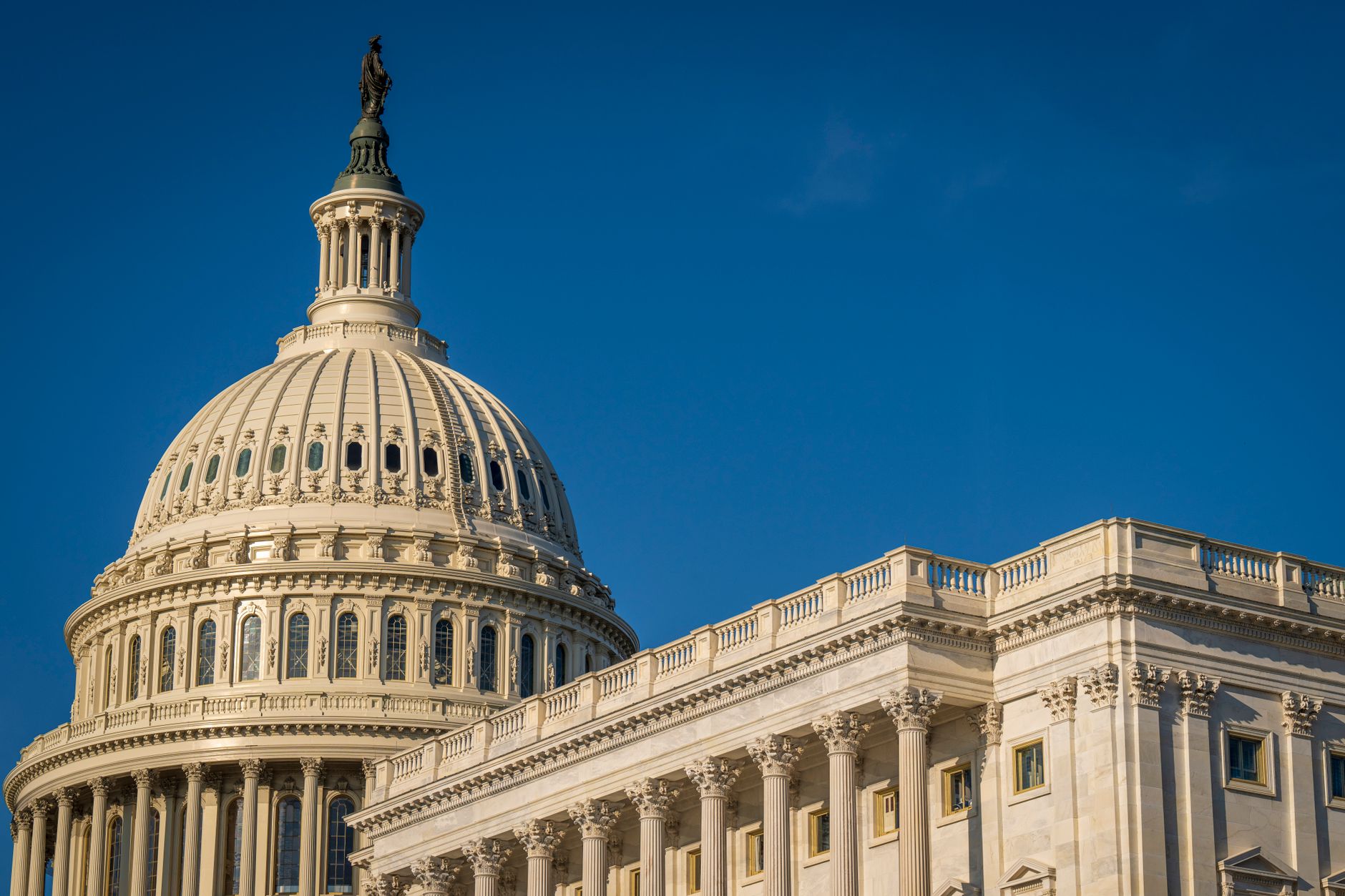
The Senate’s failure to advance the CLARITY Act triggered an immediate reaction in Bitcoin markets, with short-term holders moving to cut losses rather than wait out further uncertainty.
What the CLARITY Act Was Supposed to Do
The CLARITY Act represented a structured attempt to define how digital assets would be regulated across U.S. markets – drawing a cleaner line between which tokens fall under commodity oversight and which qualify as securities. For the crypto industry, that distinction carries enormous commercial weight. Without it, exchanges, issuers, and institutional desks operate under persistent legal ambiguity that raises compliance costs and deters capital allocation.
The Senate vote to block the bill didn’t just delay a policy decision. It removed a near-term catalyst that portions of the market had already begun pricing in. When legislation that traders expect to pass gets stalled, the correction isn’t purely about the bill itself – it’s about unwinding positions built on an assumption that no longer holds.
Short-term holders, defined in on-chain analysis as addresses that have held Bitcoin for fewer than 155 days, took the brunt of that unwind. This cohort is structurally more reactive than long-term holders. They tend to enter during periods of momentum or positive narrative flow, and they exit when that narrative breaks. The CLARITY Act’s Senate defeat was exactly the kind of break that triggers their capitulation.
The dumping that followed wasn’t orderly profit-taking. These holders sold at a loss, meaning the exit prices were below their acquisition costs. That’s a meaningful signal – it separates panic-driven selling from routine portfolio rebalancing. When short-term holders accept losses at scale, it typically indicates sentiment has shifted faster than price alone would suggest.
Reading the Short-Term Holder Rout
Short-term holder behavior around legislative events has a documented pattern. Positive regulatory momentum pulls in buyers who may not have deep conviction in Bitcoin’s long-term value but who are chasing a near-term catalyst – clearer rules, institutional inflows, ETF approvals, or framework legislation. When those catalysts evaporate, their rationale for holding evaporates with them.
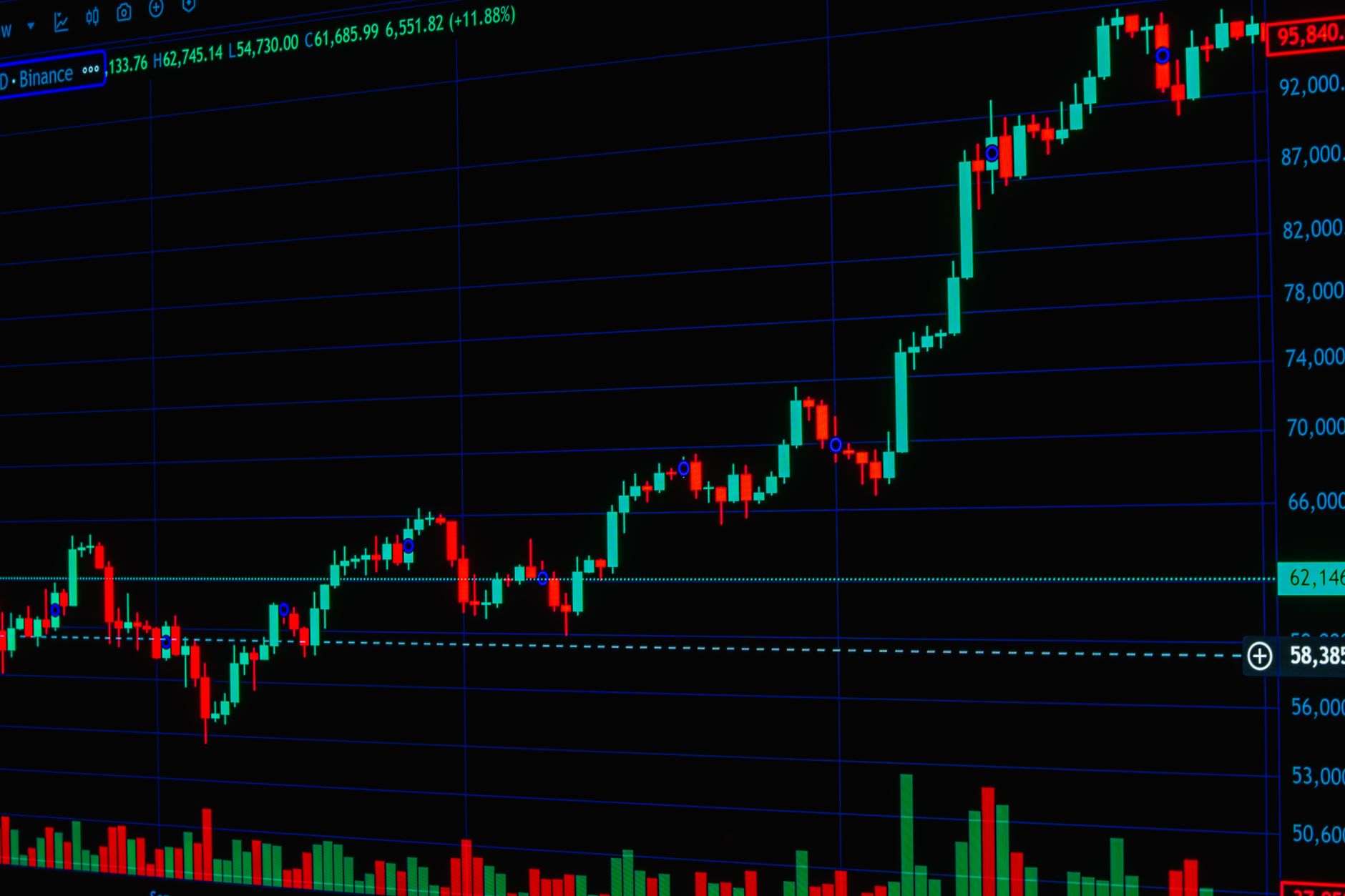
The loss-realizing exit by this cohort puts downward pressure on spot prices through direct selling, but the secondary effect matters just as much. Other market participants watching on-chain data and order books see the selling volume and either reduce their own exposure or hold back bids, widening spreads and thinning liquidity. Bitcoin’s stall following the Senate vote reflects both of those dynamics compressing at once.
It’s worth noting what didn’t happen: long-term holders, broadly, did not join the sell-off. That cohort has historically absorbed short-term panic and treated price dips as accumulation windows. Their absence from the selling side creates a floor dynamic, but it doesn’t stop the short-term rout from dragging price lower in the near term. The two groups are operating on completely different time horizons and risk tolerances.
Bitcoin’s price stall – rather than a sharp collapse – suggests the selling pressure, while notable, was absorbed without structural damage to the order book. Markets that face genuine liquidity crises tend to gap down aggressively. A stall indicates supply hitting bids at a pace that slows but doesn’t break price discovery. That distinction matters for traders trying to assess whether this is a reset within an ongoing trend or the start of a more extended drawdown.
The CLARITY Act’s Senate defeat doesn’t permanently close the door on U.S. crypto legislation. Bills get reintroduced, amended, or revived under different political conditions. But timing in markets is everything. A bill that might pass six months from now offers no support to a trader who bought Bitcoin at higher prices last week banking on a vote this week. The gap between legislative reality and market positioning is exactly where short-term losses get booked.
Where Bitcoin Goes From Here
Without the CLARITY Act as an imminent catalyst, Bitcoin’s price trajectory reverts to its other driving variables – macroeconomic conditions, institutional demand flows, spot ETF activity, and the underlying supply dynamics heading into the post-halving period. None of those factors disappeared with the Senate vote, but they now have to carry the weight alone, without regulatory tailwind.
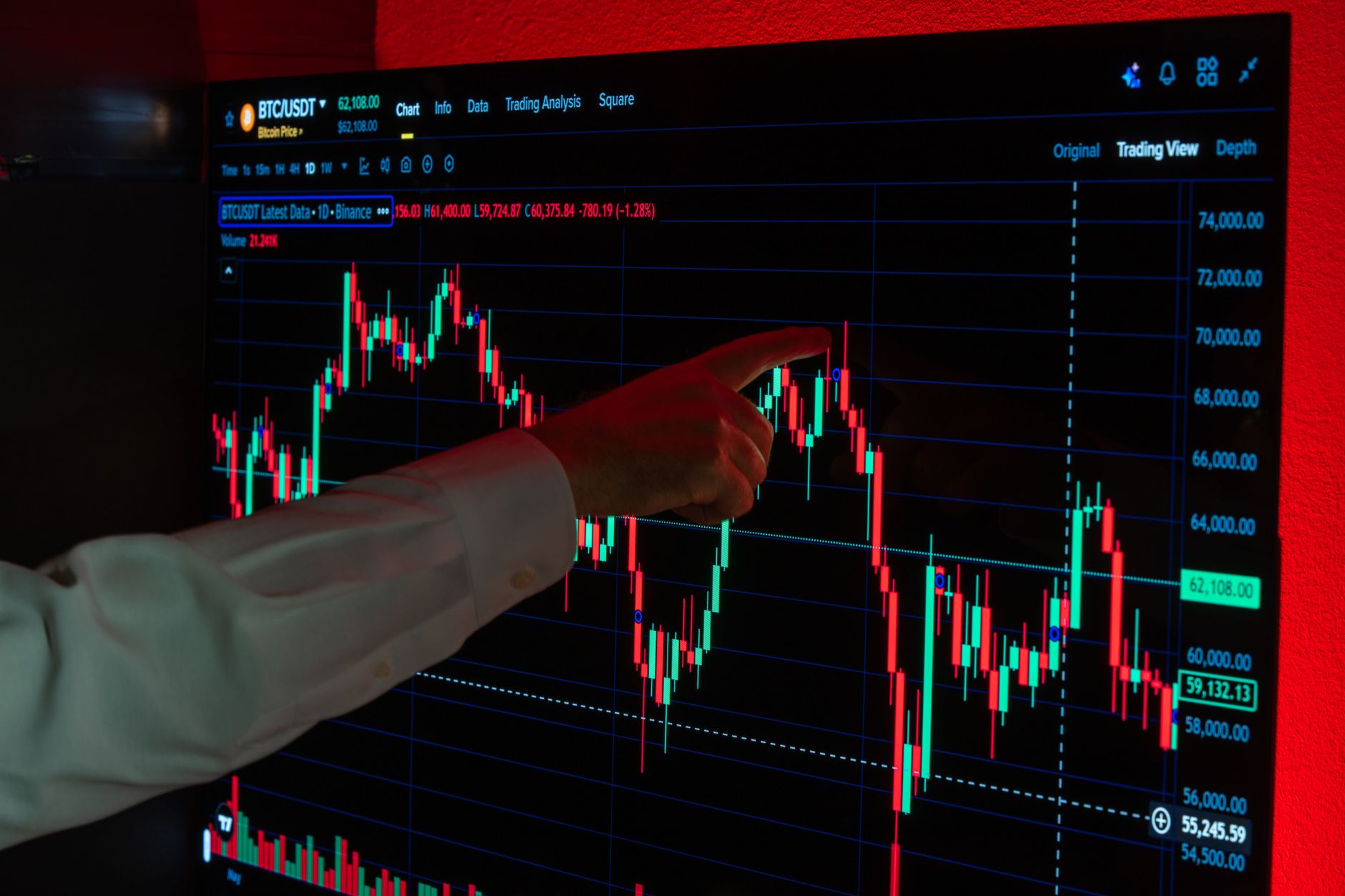
The short-term holder capitulation, painful as it is for those who booked losses, also functions as a clearing mechanism. Weak hands selling at a loss reduces the overhead supply that would otherwise create resistance during the next rally attempt. The question hanging over Bitcoin now is whether the next positive catalyst arrives before the selling pressure from remaining underwater short-term holders compounds further – or whether those holders find a reason to hold that has nothing to do with Washington.
Comments are closed, but trackbacks and pingbacks are open.