
Altcoins Are Moving, But Bitcoin Still Controls the Room
A Rally Without a Name
Altcoins are climbing, dominance charts are shifting, and traders are watching their portfolios tick upward – yet nobody is ready to declare altseason. The hesitation is not irrational. It points to something specific: Bitcoin’s grip on market direction has not loosened enough to hand the narrative over.
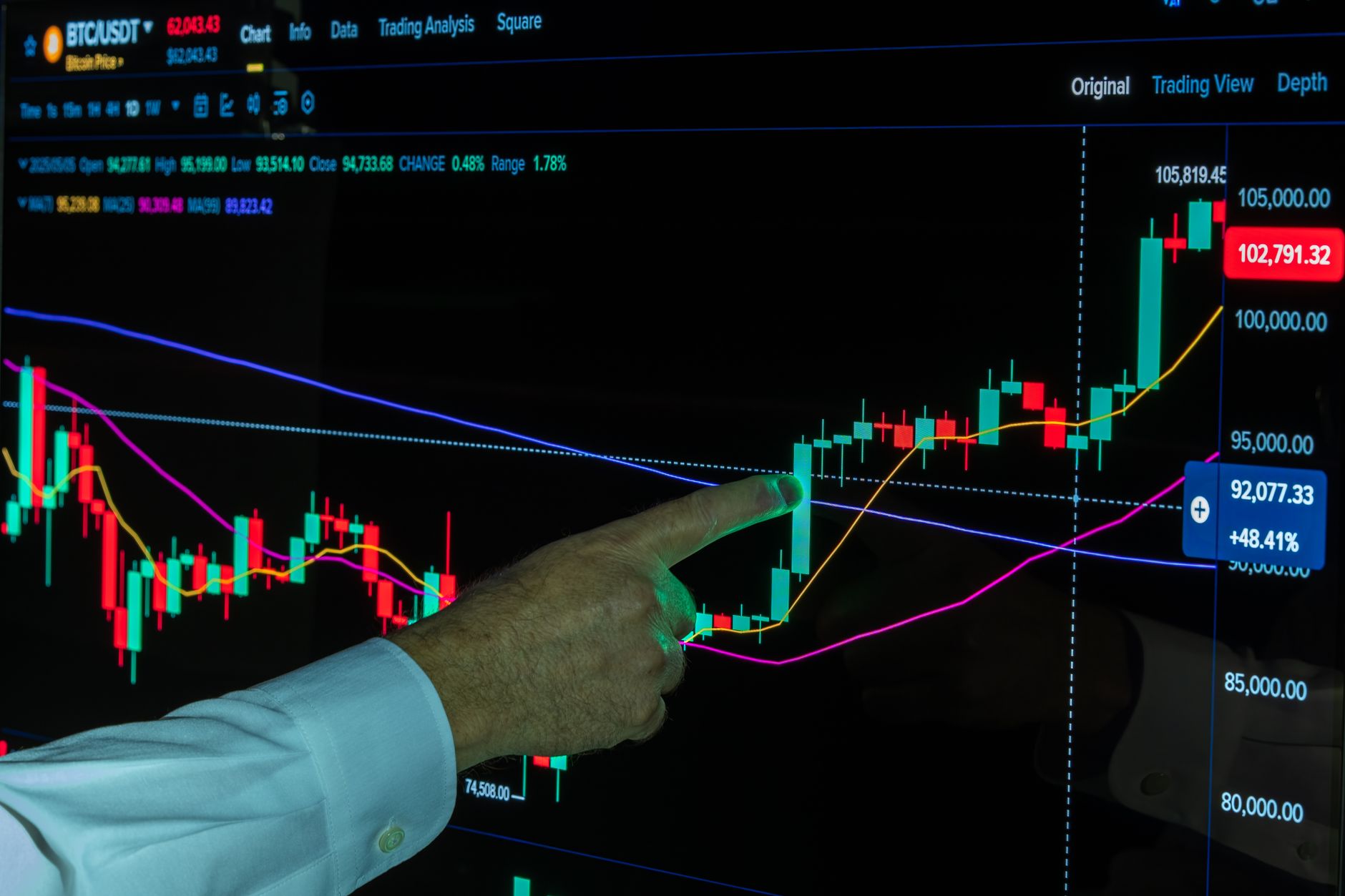
Bitcoin’s Role in Holding the Gate
Bitcoin dominance – the share of total crypto market capitalization held by BTC – functions as the primary gatekeeper for any legitimate altseason call. When dominance falls sharply and sustained capital rotates into smaller assets, that rotation historically signals the start of a broader altcoin run. Right now, that rotation is partial at best. Bitcoin is still absorbing a significant share of new inflows, and dominance has not dropped to levels that would historically confirm a full-cycle shift toward altcoins.
This matters because altcoin price increases that happen while Bitcoin dominance remains elevated tend to be fragile. They reflect traders taking on incremental risk at the edges of their portfolios rather than a structural move where Bitcoin has already peaked and capital needs somewhere else to go. The difference between those two scenarios – marginal risk-on versus full rotation – determines whether an altcoin rally sustains for weeks or reverses inside of days.
Bitcoin’s price behavior adds another layer to this. When BTC trades in a tight range or grinds higher slowly, altcoins frequently rally in percentage terms simply because they are more volatile instruments responding to the same macro sentiment. That is not altseason. That is leveraged beta. Altseason, by most working definitions used among experienced traders, requires Bitcoin to be either consolidating after a major run or actively declining in dominance while altcoins post gains that are not just proportionally larger but structurally independent.
None of those conditions are fully in place. Bitcoin has been moving in a way that keeps traders attentive to its next leg rather than confident enough to abandon it for altcoin exposure. That psychological anchor is part of what makes the current environment feel ambiguous – the altcoin numbers look good on screen, but the market structure underneath has not shifted decisively.
What the Market Is Actually Pricing
The altcoin movements happening now are real. Prices are up across a range of assets, volume is present, and some individual tokens are posting breakouts on their own charts independent of short-term BTC noise. But the composition of that activity reveals something important: the strongest performers are not the long-tail speculative assets that typically lead late-stage altseasons. The gains are concentrated in assets with clearer narratives, real protocol activity, or direct institutional attention – which is a different kind of market than the broad, indiscriminate lifting that defines a true altseason.
Institutional capital has continued flowing into Bitcoin specifically through regulated products. Spot Bitcoin ETFs in the United States have drawn consistent inflows, and that structural demand channel does not exist in the same form for most altcoins. Institutions allocating through ETFs are not rotating into ETH or SOL through those same vehicles at anywhere near the same scale. That asymmetry keeps Bitcoin bid in a way that compresses the dominance decline that would otherwise fuel a clean altseason setup.

Retail participation, which historically amplifies altseason conditions by chasing momentum across hundreds of tokens simultaneously, has not returned to the levels seen during prior cycle peaks. On-chain data and exchange activity patterns suggest that the current wave of buyers is more selective and more experienced than the 2021 cohort that drove prices across nearly every asset regardless of fundamentals. Selective buying produces winners and losers within the altcoin universe rather than a rising tide across all of them.
There is also the question of what Bitcoin itself is doing on a macro level. BTC has recovered substantially from its cycle lows and has reclaimed price levels that previously acted as resistance. Each time Bitcoin pushes toward and above key price thresholds, it tends to attract fresh attention and capital that might otherwise have drifted toward altcoins. The asset functions as a demand sink – pulling liquidity toward itself at precisely the moments when altcoin conditions look most promising.
That dynamic creates the paradox visible in the current market: altcoins move up, generate headlines, get traders excited – and then Bitcoin does something that recenters the conversation. The cycle repeats without ever fully resolving in altcoins’ favor long enough to justify the altseason label. This is not a new pattern. It appeared in 2023 when several altcoin rallies failed to compound into a sustained breakout, and it is visible again now in the gap between individual token performance and aggregate market structure.
The Conditions That Would Actually Change the Call
A genuine altseason declaration would need Bitcoin dominance to break down through a meaningful support level and hold below it for long enough that the move looks intentional rather than temporary. It would also need retail inflow data – measured through app downloads, new wallet creation, and social search volume – to spike across broad altcoin categories rather than concentrating in one or two narratives. Neither condition is met at the moment, which is why cautious observers are describing the current environment as an altcoin-friendly period rather than an altseason.
The tension sitting at the center of this market is straightforward: the altcoin charts are doing what altseason charts look like in the early stages, but the Bitcoin data is not confirming the handoff. Traders who call it too early risk getting caught in a reversal if BTC reasserts dominance sharply. Traders who wait too long for confirmation risk missing the most aggressive portion of any eventual move. That is the specific bet the market is forcing everyone to make right now – and Bitcoin’s next directional move will likely determine which side was right.
Comments are closed, but trackbacks and pingbacks are open.