
Memecoins in September 2026: Nine Tokens Traders Are Watching
From Dog Memes to a Market Category
When Dogecoin launched in December 2013, nobody was pitching a whitepaper revolution. The coin was built around the Doge meme – the Shiba Inu dog image that had been circulating online – and its creators made no pretense of solving a technical problem. It worked anyway, attracting enough attention to prove that cryptocurrency adoption did not require a serious use case, just a recognizable cultural hook.
That early experiment eventually expanded into a full market category. What started as a single joke coin has grown into a segment with dozens of active tokens, dedicated trading communities, and enough trading volume to move broader market sentiment on certain days. The memecoin space is no longer a footnote – it is a distinct part of the crypto market with its own mechanics, its own cycles, and its own risk profile.
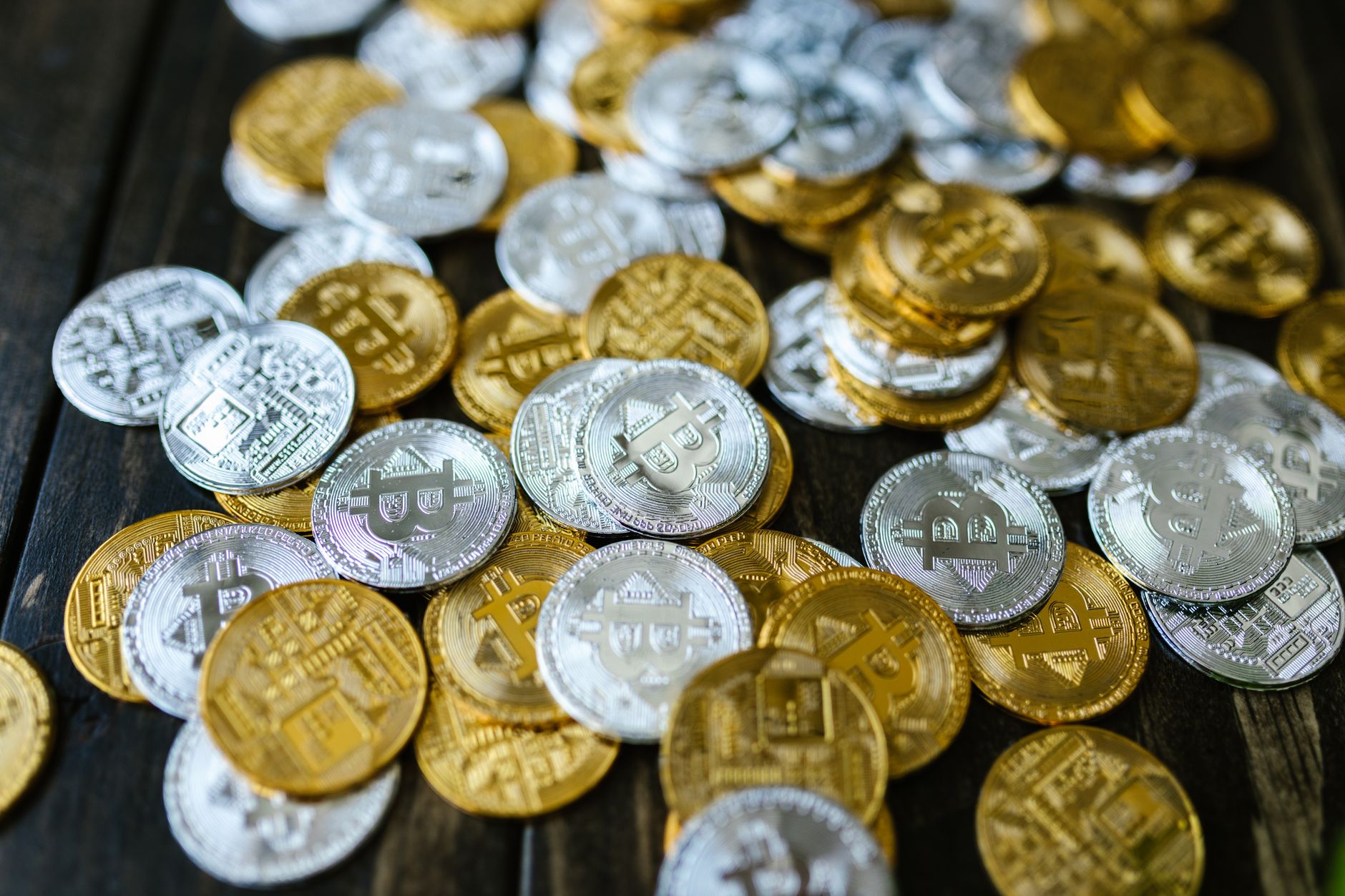
Why Traders Pay Attention to Memecoins
Memecoins occupy an unusual position in a trader’s toolkit. They carry some of the highest volatility in a market already known for volatility, which means they can produce outsized gains in short windows and catastrophic losses just as quickly. For active traders rather than long-term holders, that combination is not necessarily a warning – it is the point.
The category also behaves differently from layer-1 protocols or DeFi tokens during bull phases. When retail sentiment surges, memecoins often outrun everything else in percentage terms, because their price is not anchored to revenue metrics, protocol usage, or developer activity. The price is anchored to attention, and attention can shift fast.
Dogecoin remains the reference point for the entire category. Its 2013 launch established that community momentum could substitute for technical depth, and every memecoin that came after it has operated on some version of that logic. The coin’s longevity – now more than a decade in a market that has buried thousands of projects – gives it a different status than newer entrants. It is not just a memecoin anymore; it is the category’s origin story.
That history matters when September 2026 traders build watchlists. The memecoins worth tracking are not necessarily the ones with the most recent hype cycle. They include tokens with staying power, active developer communities even when interest is low, and enough liquidity to enter and exit positions without severe slippage. Age and infrastructure count for something even in a market segment defined by irony.
The Nine Tokens on September 2026 Watchlists
Nine memecoins have surfaced as the names traders are tracking this month. Dogecoin leads the list as it has for years, its position reinforced by exchange listings across every major platform and an active social media presence that pre-dates most of the crypto industry’s current participants.
The remaining eight represent different eras and strategies within the memecoin market. Some followed Dogecoin’s direct template – animal-themed, community-driven, low individual token price to encourage retail participation. O thers emerged from specific internet subcultures, meme formats that hit critical mass at the right moment, or deliberate launches timed to capture attention during market upswings. Each has its own origin story, but they share the same fundamental characteristic: price movement driven by narrative rather than fundamentals.
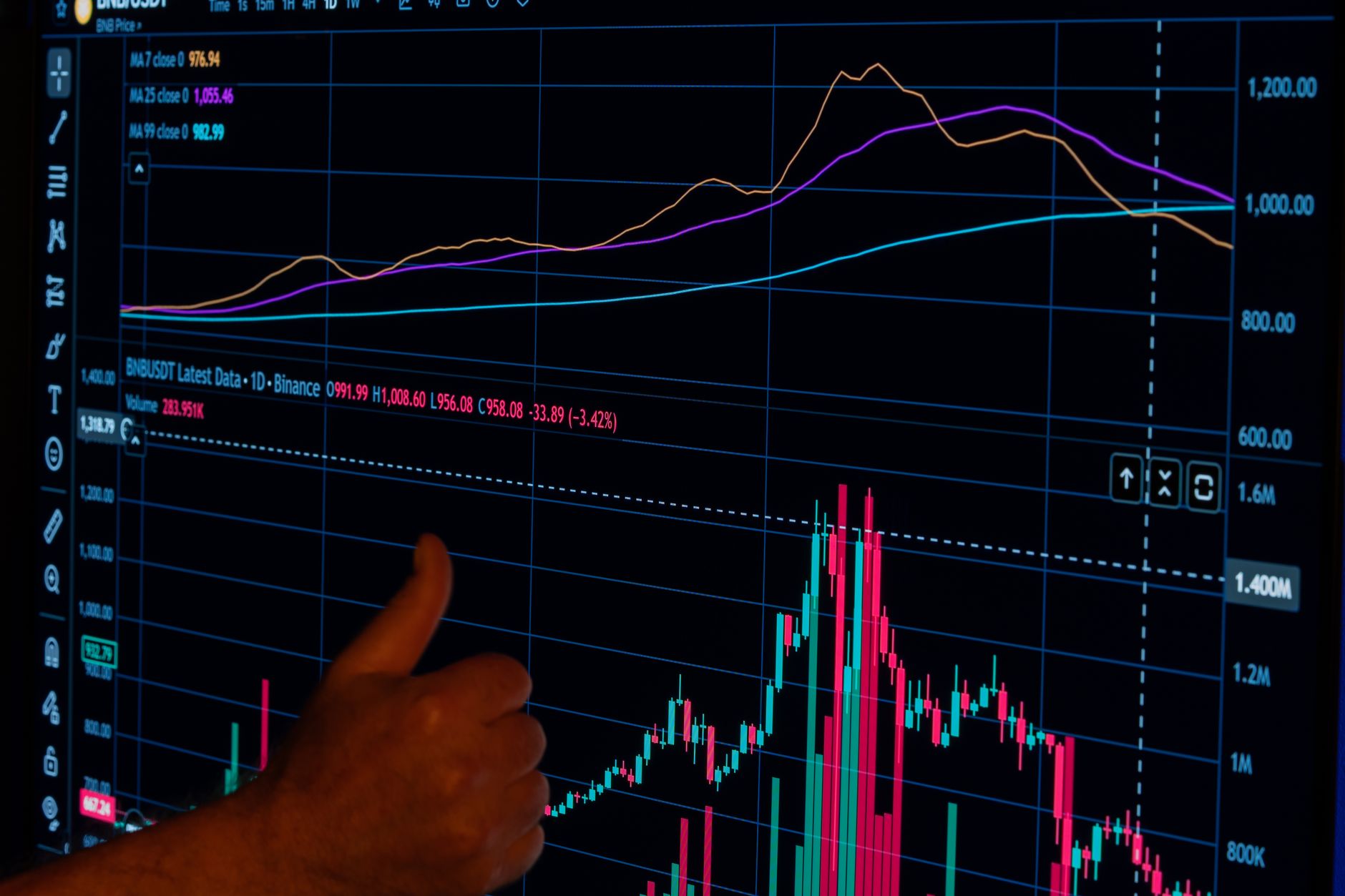
What Sets These Nine Apart
Survival is the first filter. The memecoin graveyard is enormous – thousands of tokens launched, briefly traded, and abandoned. The nine tokens appearing on September 2026 watchlists have cleared that first hurdle. They have trading volume, exchange presence, and communities still generating content and conversation. That does not guarantee future performance, but it does separate them from the projects that collapsed within weeks of launch.
Liquidity is the second filter. A memecoin that exists but cannot be traded efficiently is useless to an active trader. The tokens worth watching in September 2026 all have enough market depth that a reasonably sized position can be opened and closed without moving the price dramatically against the trader executing the order. For retail traders this is less of a concern, but it becomes material quickly as position sizes grow.
The third factor is harder to quantify: cultural relevance. Memecoins that retain a connection to active internet culture – even loosely – tend to respond faster and more sharply when market sentiment improves. A token tied to a meme format that people still recognize and generate new content around has more surface area for viral spread than one attached to a reference that has faded. In a category where attention is the asset, that connection functions as a kind of underlying value.
Trading Memecoins in the Current Environment
September 2026 traders approaching this list are doing so with more tools and more historical data than traders had in 2021 or 2022. The memecoin cycles of those years produced both spectacular runs and brutal collapses, and that record is now available as a reference. Patterns around how quickly these tokens top out, how long drawdowns last, and which types of catalysts produce the sharpest moves are documented across multiple market cycles now.
Position sizing remains the variable that most traders get wrong. Because memecoins can move 50 percent or more in either direction over short periods, the standard risk frameworks applied to other asset classes need to be adjusted significantly. A position that would be conservative in a blue-chip crypto context becomes aggressive when applied to a memecoin that has no revenue, no protocol utility, and no floor below which the price cannot fall except zero.

Dogecoin’s decade-long run from a 2013 joke to a fixture on professional trading desks is the memecoin category’s most complete data set. It has survived multiple bear markets, multiple hype cycles, and the collapse of projects that briefly surpassed it in market cap. The question for every other token on September 2026’s list of nine is simpler and harder than any technical analysis: which ones are still being talked about in 2029?
Comments are closed, but trackbacks and pingbacks are open.