
Celsius Targets BitMEX for $495 Million Over 2020 Bitcoin Crash
A Bankruptcy Estate Files Suit Days Before the Exchange Goes Dark
Celsius Network’s bankruptcy estate has taken direct aim at BitMEX, filing a $495 million lawsuit on September 12 in the US Bankruptcy Court for the Southern District of New York. The complaint accuses the derivatives exchange and its affiliated entities of fraud, market manipulation, and wrongful liquidations tied to Bitcoin’s violent selloff in March 2020. Blockchain Recovery Investment Consortium – known as BRIC – brought the case as Celsius’s litigation administrator and complex asset recovery manager.
The timing is striking: the suit landed just 11 days before BitMEX is scheduled to permanently shut down its exchange on September 23.
The defendants named in the filing include Seychelles-based HDR Global Trading Ltd., Hong Kong-based ABS Global Trading Ltd., Shine Effort Inc. Ltd., and two Bermuda entities – 100x Holdings Ltd. and HDR Global Services Ltd. All operated collectively under the BitMEX name. BitMEX announced the closure in July following what it described as a strategic review of its business and the broader industry, and this lawsuit is the second major legal action filed against the exchange since that announcement.

What Happened on March 12, 2020
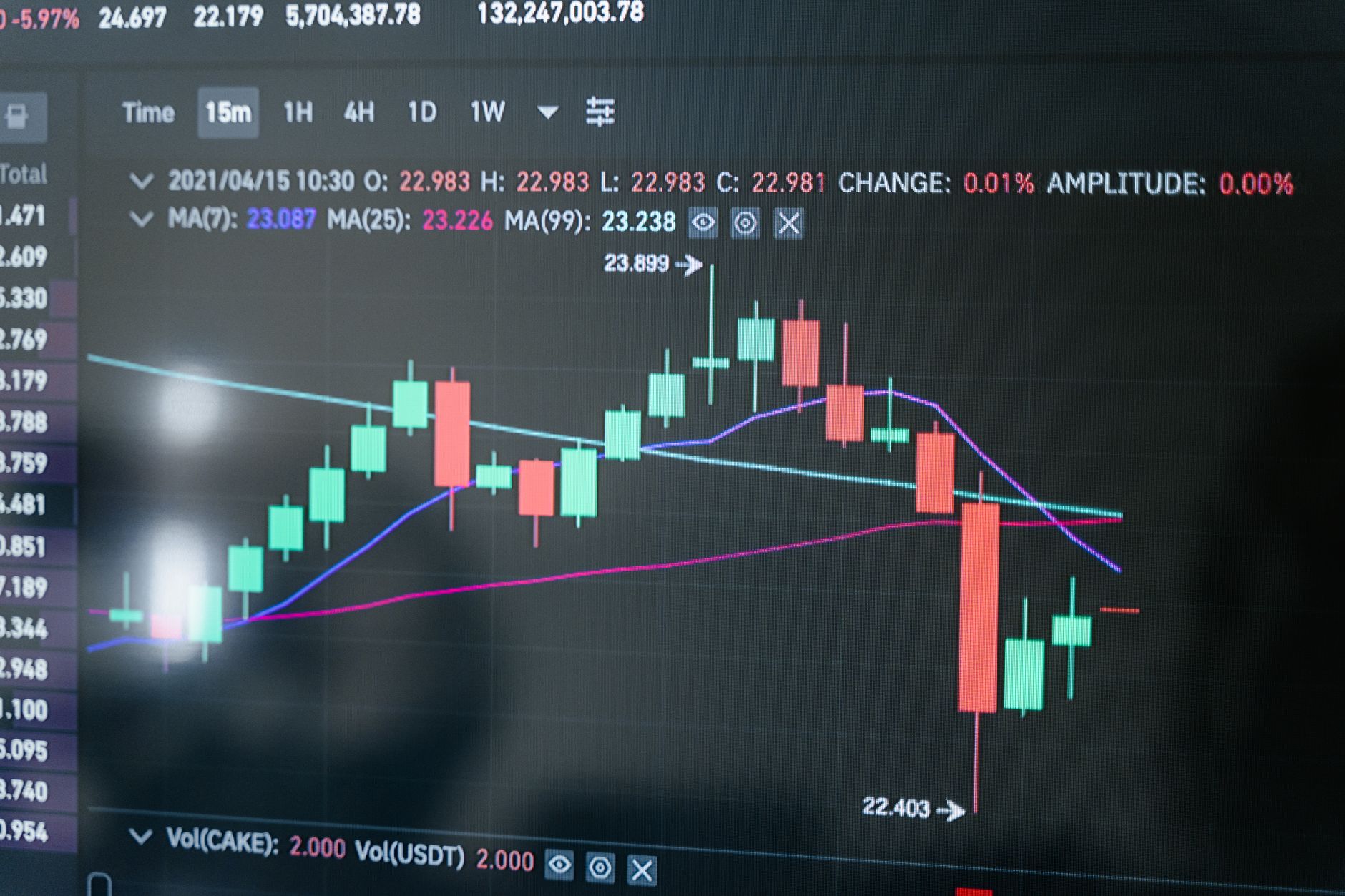
The case is built around a specific 15-minute window. On March 12, 2020, Bitcoin dropped from approximately $7,200 to a 10-month low near $5,678 as the emerging coronavirus pandemic triggered a broad rush out of risk assets across global markets. During that initial plunge, roughly $702 million in positions were liquidated on BitMEX – nearly all of them long positions. The speed and scale of those closures made the episode one of the defining stress tests crypto derivatives markets have faced.
Celsius alleges that 6,360 Bitcoin belonging to Celsius and investment-fund group JST were wrongfully liquidated during this chaos, with the estate valuing those losses at approximately $495 million at the time of filing. The complaint charges that BitMEX’s liquidation engine was not a neutral system responding to market conditions but was instead deliberately engineered to harm customers. As stated in the filing: “While BitMEX made multiple representations that it would maintain an orderly market for its derivatives contracts, BitMEX knew these representations were false. Instead of maintaining an orderly market, BitMEX intentionally designed its platform and liquidation procedures to cause liquidations of collateral and defraud its own customers.”
The mechanics of leveraged Bitcoin trading on BitMEX at the time meant that falling prices automatically triggered forced position closures on accounts that no longer met margin requirements. Those closures generated additional sell pressure on an already declining market, which in turn pushed prices lower and triggered further liquidations – a cascading effect that amplified losses far beyond what the initial price drop alone would have produced. Celsius’s argument is that BitMEX did not merely allow this to happen but actively structured its systems to produce that outcome.
From a 2023 Bankruptcy Filing to an Active Courtroom Claim
This lawsuit did not appear from nowhere. In September 2023, Celsius’s bankruptcy proceedings already flagged HDR Global Trading Ltd. – BitMEX’s primary operating entity – as a possible litigation target for claims involving negligence, fraud, and market manipulation. That early identification has now become a formal complaint, years after the original losses occurred and with the exchange in question weeks away from ceasing operations entirely.
The legal challenge ahead for Celsius is substantial. To convert a bankruptcy claim into an actual recovery, the estate must demonstrate that its losses were the direct result of actionable misconduct by BitMEX – not simply the product of extreme market volatility and the contract terms traders accepted when opening leveraged positions in the first place. That distinction separates a legitimate fraud claim from a market participant absorbing the consequences of a bad bet in a high-risk environment. BitMEX and its affiliated defendants have not yet been found liable, and the court has made no determination on the merits of the allegations.
The question of timing also carries practical weight. BitMEX announced its shutdown in July 2025, and the exchange will stop trading entirely on September 23. Filing a claim against an entity in wind-down mode introduces complications around asset recovery, jurisdiction across multiple countries – Seychelles, Hong Kong, Bermuda – and the coordination required to pursue defendants who may be actively unwinding corporate structures. BRIC’s role as litigation administrator suggests Celsius’s estate is positioning for what could be a lengthy and contested recovery process.

What Celsius Needs to Prove – and Why It Won’t Be Simple
Six years have passed since the March 2020 crash, and the evidentiary record Celsius must build to support claims of intentional platform manipulation is considerable. The complaint’s language – that BitMEX knew its representations were false and intentionally designed its liquidation system to defraud customers – sets a high bar. Proving intent in market structure cases is rarely straightforward, particularly when the opposing argument will likely frame those same liquidation events as the foreseeable result of extreme leverage in a historically volatile asset class.
With $495 million at stake and BitMEX shutting its doors in days, Celsius’s estate is racing a clock that the exchange itself set in motion.
Comments are closed, but trackbacks and pingbacks are open.