
Binance Opens CEA Industries Stock Token as Margin Collateral for VIP Users
A Nasdaq-Listed Company’s Token Enters Binance’s Margin Stack
CEA Industries’ BNCB bStocks token became eligible collateral on Binance at 12:00 UTC on September 14, 2026, landing simultaneously across three distinct margin frameworks: Cross Margin, Portfolio Margin, and Portfolio Margin Pro. The exchange activated the corresponding BNCB margin-trading pair at the same moment, making the rollout a coordinated move rather than a staged one. CEA Industries trades on Nasdaq under the ticker BNC, and its common stock is registered on the Nasdaq Capital Market, according to a May 7 SEC filing – giving BNCB an institutional paper trail that most collateral additions lack.
Each BNCB token maps directly to one underlying CEA Industries share, a one-to-one conversion that Binance confirmed in a same-day Spot and Convert listing announcement. The BNB Smart Chain contract address for the token is 0x4902C5ebc598265Ed2212b559B042De8a5Eeec3f.
The access window is narrow by design. Only Binance users at VIP 3 status or above, and only those located in permitted jurisdictions, can post BNCB as collateral – a condition that excludes the majority of the exchange’s customer base from day one.
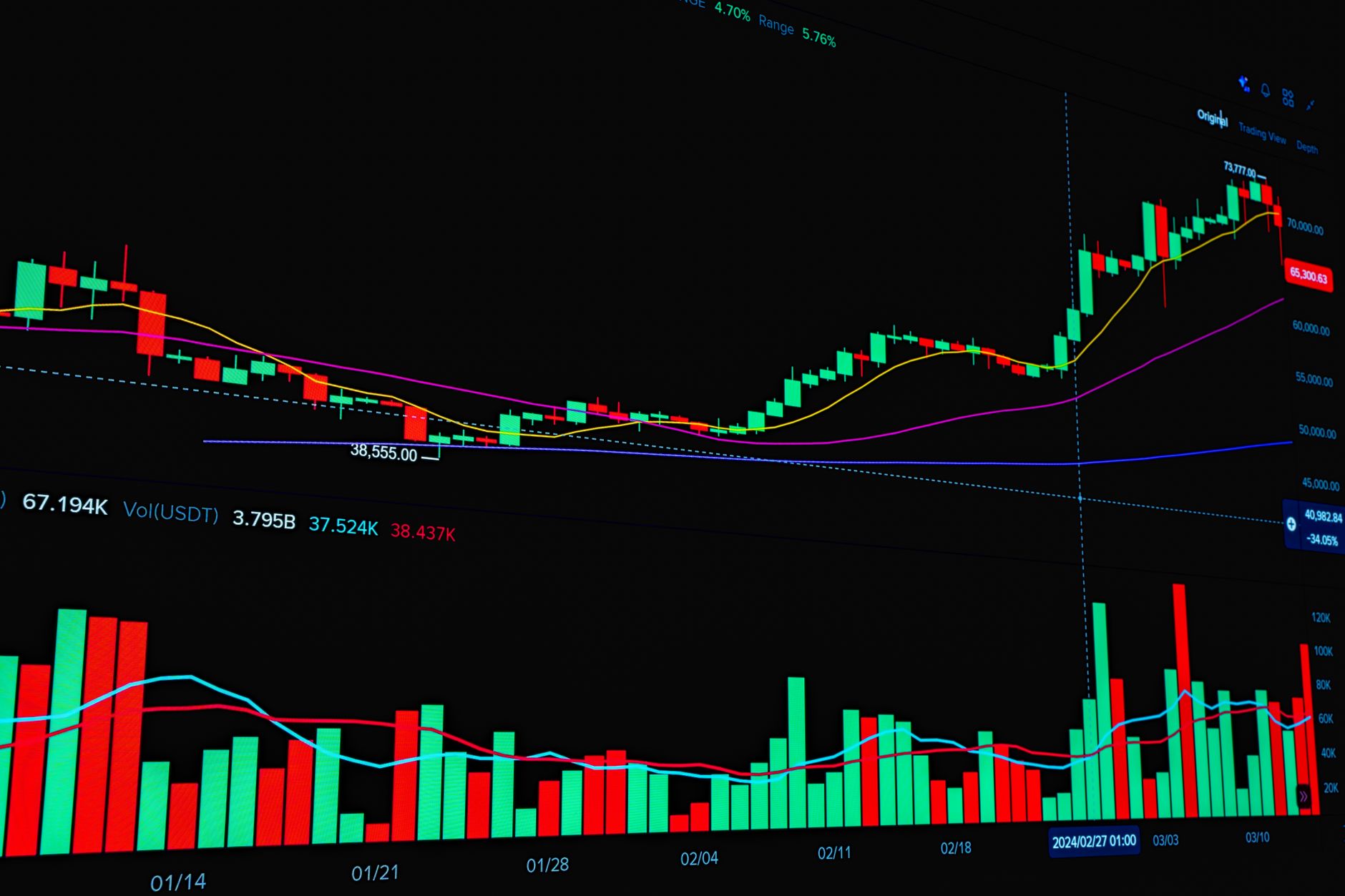
How BNCB Sits Inside Binance’s Margin Architecture
Cross Margin on Binance operates through a shared account structure, where assets in the account collectively support open positions. Portfolio Margin and Portfolio Margin Pro function as separate frameworks with different risk and capital efficiency parameters. BNCB became eligible in all three on the same timestamp, which means qualifying users gained access to the full range of these structures without a phased rollout period. That simultaneous availability across multiple frameworks is not standard practice for new collateral assets on large exchanges.
A September 15 briefing from CoinTools independently confirmed the September 14 launch time and noted that borrowing support for BNCB was unavailable at that point. Binance’s own materials described the same limitation: the token can be posted as collateral, but it cannot be borrowed within the margin system at launch. That distinction matters because borrowable assets can be used for short positions, which is a different category of market activity than collateral posting. The absence of borrowing keeps BNCB’s initial margin role narrowly defined.
Binance noted that collateral parameters for BNCB may be adjusted based on market conditions, leaving the door open for expanded functionality without committing to a timeline. The exchange framed the entire rollout as a non-retail offering, which reflects the VIP threshold rather than a general eligibility structure. Users in restricted regions are excluded outright, per Binance’s support guidance.

The Spot Listing That Preceded the Collateral Move
The margin collateral announcement was paired with a spot listing on the same day, giving BNCB market presence on Binance before margin functionality was even a factor. The Spot and Convert listing established the token’s basic trading availability, with the collateral activation layered on top at the same time. That sequence – spot listing followed immediately by collateral eligibility – compressed what is typically a longer integration path into a single date.
CEA Industries’ position as a Nasdaq-listed company separates BNCB from purely native crypto assets that make up most of Binance’s collateral roster. The May 7 SEC filing identifying the company’s stock as registered on the Nasdaq Capital Market gives the token regulatory documentation that originated outside the crypto ecosystem entirely. Binance has listed tokenized equities before, but pairing that with immediate margin collateral eligibility across three frameworks signals a higher-level integration than a standard spot listing would suggest.
The BNB Smart Chain deployment means BNCB operates within an infrastructure Binance controls directly, which may factor into why the collateral rollout could happen on the same day as the spot listing rather than following a longer compliance review period. That vertical alignment between the token’s chain and the exchange’s own infrastructure shortens the technical distance between listing and utility.

At launch, BNCB holds a specific but limited position in Binance’s margin system – eligible as collateral in three frameworks, unavailable to borrow, accessible only to VIP 3 users and above, and restricted by geography. Whether Binance introduces borrowing support or widens eligibility beyond the current VIP threshold will determine whether BNCB becomes a broadly functional margin asset or stays a specialized instrument for a small slice of the exchange’s user base – and that question has no public answer yet.
Comments are closed, but trackbacks and pingbacks are open.