
Solana Hits RSI 30 While Ether Sits at 35: Which Rebounds First?
A Hack, a Hit List, and Two Coins Under Pressure
The FBI confirmed last week that North Korea’s TraderTraitor group – a subunit of the wider Lazarus operation – stole approximately $6.4 billion from Binance. The bureau responded by circulating a blocklist covering more than 600 Ethereum addresses and just under 20 Bitcoin addresses, asking DeFi protocols, node operators, instant exchanges, and blockchain analytics firms to freeze any transactions connected to those wallets. Only one Solana address appeared on the entire list.
Binance said it has already replenished 90% of the missing crypto and plans to resume withdrawals on November 1. The immediate question for traders is simpler than the geopolitics: ETH and SOL have both fallen hard this month, both sit near technical lows, and neither has found buyers willing to push back yet. Which one does first depends on factors that are pulling in opposite directions.
Ethereum Carries the Launder Risk Directly
Ether was trading near $2,270 at the time of writing – essentially flat on the day but down roughly 4% over the week and about 16% over the past month. The stolen funds are moving predominantly into ETH, which is why investigators flagged so many Ethereum addresses. The mechanics are straightforward: hackers convert loot into a liquid asset, then route it through swaps, bridges, and DeFi tools to obscure the trail. Ether is that liquid asset here.
Stablecoin issuers have already frozen over $2.4 billion of the stolen funds. That limits some of the immediate damage, but Chainalysis CEO Jonathan Levin noted that attackers have already cycled through thousands of addresses and expects tens of thousands more in coming weeks, driven by what he described as “novel automated laundering mechanisms.” Each new address represents another potential sell-side event for ETH somewhere down the conversion chain. The supply overhang this creates is not theoretical – it is already building.
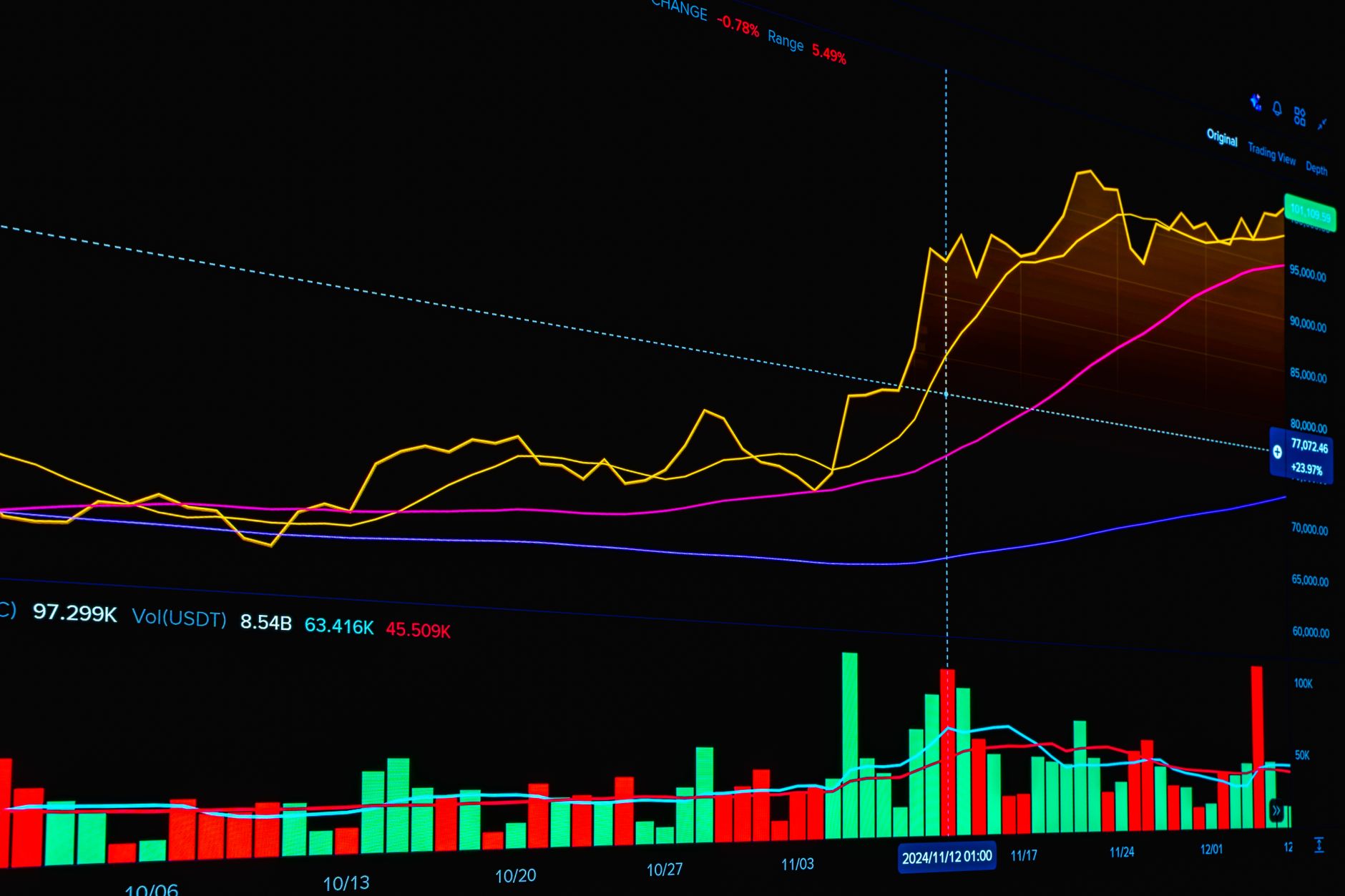
Both major moving averages now sit above the current price, functioning as ceilings rather than floors. The 50-day moving average is near $2,420; the 200-day is around $2,320. Any rally has to push through both before it can be called a recovery. The RSI currently reads 34 – weak, but still four points above the oversold threshold of 30 where buyers historically start appearing. The MACD indicator remains below its signal line, which means downside momentum has not yet reversed.
The chart levels are straightforward. Bulls need a daily close above $2,360 – just above the 200-day average – to open space toward $2,560. On the other side, support sits around $1,940. A clean break below that level exposes ether to the next meaningful floor near $1,850. With price caught between those two zones and the trend still bearish, ether is waiting for a catalyst that the hack itself cannot provide.

Solana Falls Further Despite Lighter Exposure
Solana’s situation is structurally different, though the price action looks worse. SOL traded near $95.55 – down 7% on the week and approximately 20% over the past month, a steeper monthly decline than ether’s 16%. That divergence is notable because the FBI’s blocklist barely touches Solana. One flagged address on the entire network means the selling pressure hitting SOL is not coming from laundering flows. It is coming from broader market sentiment, which has soured across the board.
The RSI on Solana has slid all the way to 30 – exactly on the oversold line. Historically, that level marks where selling exhaustion starts to attract contrarian buyers. Whether that holds depends on whether the market reads this as a buying opportunity or simply a stop on the way lower. The $100 mark is the first resistance level any rebound would need to reclaim. It is a psychologically significant level and sits just above current prices, meaning a relatively small move would test it.
A Geopolitical Footnote and What Happens Next
President Trump, asked about the theft, said “we’re learning about it” and indicated he would raise the matter with North Korea directly. That exchange has not moved markets. The actual market mechanics are more immediate: Binance reopening withdrawals on November 1 could release pent-up demand or trigger a new round of selling by users who waited to exit. Both outcomes are plausible.
The divergence in RSI readings – SOL at 30, ETH at 34 – suggests Solana has absorbed more near-term selling pressure relative to its recent range. That can mean a faster snap-back, or it can mean the selling is not finished. SOL’s steeper monthly loss and its distance from the hack’s direct mechanics give it a cleaner technical setup in the sense that no laundering overhang is suppressing recovery. ETH carries that weight explicitly: every additional address Chainalysis identifies in the coming weeks is a potential future sell event woven into the asset’s near-term supply picture.

Binance plans to resume withdrawals Sunday. If that process runs without disruption, it removes one source of uncertainty from the market. If it surfaces new complications – more frozen funds, additional FBI guidance, fresh address lists – the pressure on both assets extends. Levin’s warning about tens of thousands of new addresses arriving in coming weeks means the laundering story is not close to its final chapter, and neither is the downward pressure on ETH that comes with it.
Comments are closed, but trackbacks and pingbacks are open.