
Solana’s Alpenglow upgrade goes live – Why SOL’s $100 support matters
Speed Upgrade Arrives as SOL Claws Back Lost Ground
Solana’s Alpenglow upgrade is now live, bringing a technical overhaul that compresses transaction processing times down to 150 milliseconds. The change puts Solana’s confirmed finality speed in a different category from most competing layer-1 networks, where settlement can stretch from one to several seconds depending on network conditions. For a blockchain that has long marketed itself on throughput and speed, Alpenglow represents the next incremental push toward performance that can match – or at least credibly challenge – centralized payment infrastructure.
The timing of the launch aligns with a recovery phase for SOL itself. After pulling back sharply last week, the token is attracting renewed attention from larger holders, and ETF products tracking Solana recorded $585,000 in inflows during the same window. Neither figure is enormous in isolation, but together they suggest that institutional interest did not evaporate during the correction – it simply paused.
What 150 Milliseconds Actually Means for the Network
Processing time at 150 milliseconds is fast enough that latency would be nearly imperceptible to an end user completing a transaction through a wallet or decentralized application. The practical implication is that applications requiring near-instant confirmation – high-frequency trading bots, real-time prediction markets, payment flows – become meaningfully more viable on Solana without the need for off-chain workarounds or optimistic execution layers.
Alpenglow achieves this through changes to Solana’s consensus mechanism, replacing components of the existing protocol stack to reduce the communication overhead between validators. Fewer message-passing rounds before finality means the network spends less time waiting for agreement and more time processing the next block. That architectural shift has downstream effects on how developers can design latency-sensitive applications, since they can now build with tighter timing assumptions baked into their logic.

The upgrade also arrives at a moment when Solana’s broader ecosystem is under competitive pressure. Ethereum’s layer-2 networks have grown considerably, and newer chains are constantly claiming speed benchmarks that erode the distinctiveness of any single performance figure. For Solana, 150-millisecond finality is a concrete number to anchor marketing and developer conversations – but it only holds value if the network sustains it under load, which has historically been a weak point.
Solana has experienced multiple high-profile outages over the past few years, events that cast long shadows over performance claims. The network has improved its uptime record in more recent periods, but the skepticism lingers in certain developer communities. Alpenglow’s launch will be watched not just for what it promises at baseline but for how the network behaves when transaction volume spikes during the next major market rally or NFT event.
$100 as a Line in the Sand for SOL
The $100 price level has become the focal point for anyone watching SOL’s short-term chart. After last week’s correction pushed the token lower, buyers stepped back in near that threshold, and the subsequent bounce has held. Whether $100 functions as genuine support or simply as the most recent area of demand that hasn’t been tested hard enough yet remains an open question – but the whale activity reported during the recovery adds some weight to the bull case.
Large holders accumulating or defending positions near a round number isn’t unusual behavior. Round numbers attract attention partly because retail and institutional participants alike use them as mental reference points, and partly because options and derivatives markets tend to cluster around them. The $100 level on SOL fits that pattern, and the combination of whale buying and ETF inflows during the same period suggests multiple categories of market participant made the same judgment about where value exists.
ETF Inflows Signal Continued Institutional Presence
$585,000 in ETF inflows may look modest relative to the billions that flow through Bitcoin and Ethereum ETF products on busy days, but the directional signal matters more than the raw size. Capital moved into Solana ETF products while the token was still recovering from a sell-off. That behavior – buying into weakness rather than chasing strength – reflects a more deliberate posture than momentum-driven retail activity typically produces.
Solana ETF products represent one of the cleaner channels through which institutional capital can take exposure to the asset without managing private keys or custody arrangements. The fact that those products attracted net inflows during a down week points to a segment of buyers who are either operating on longer time horizons or treating the dip as an entry point rather than a warning sign.
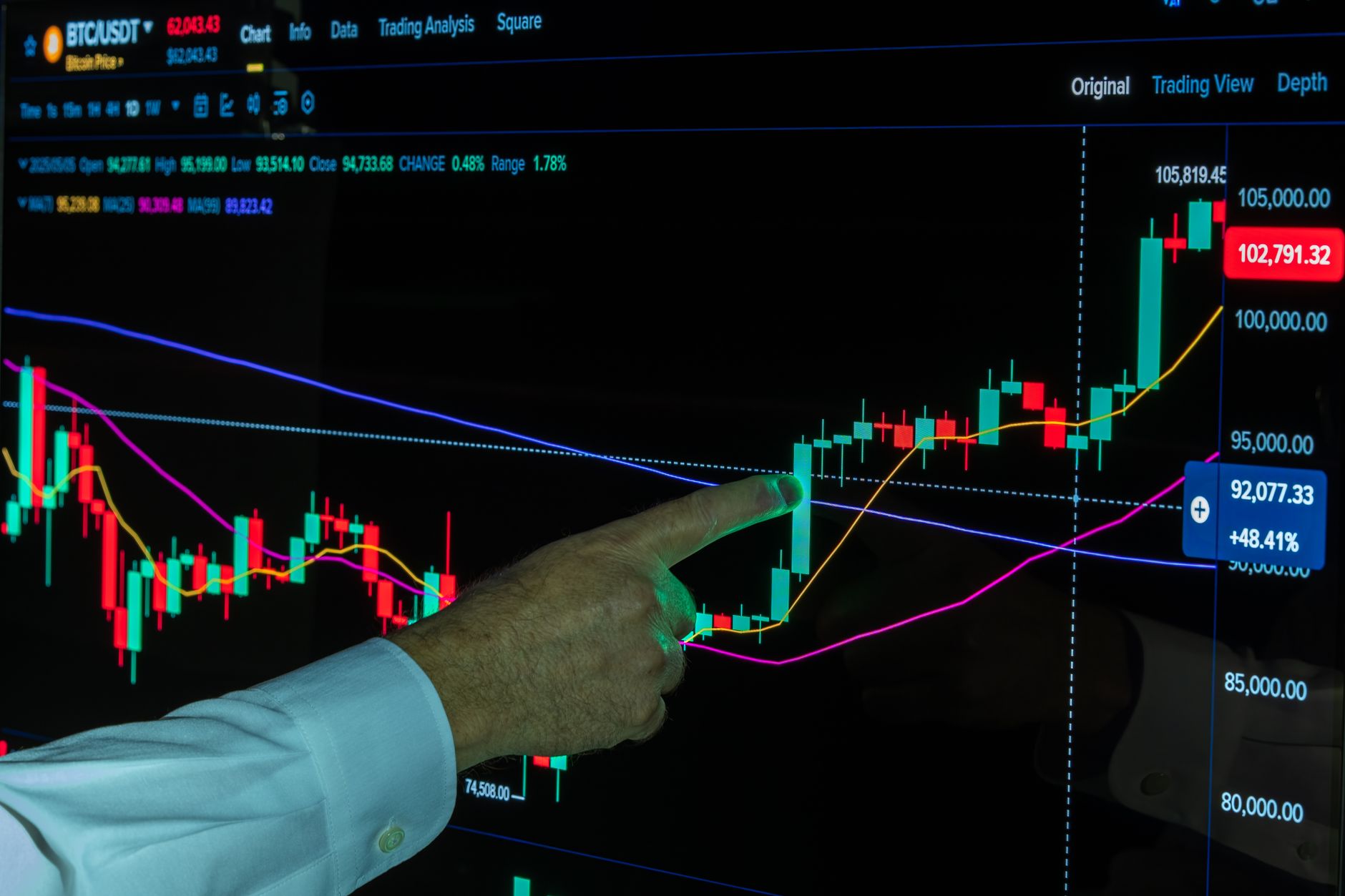
The convergence of the Alpenglow launch, the $100 price defense, and the ETF inflow data creates a narrative that Solana’s advocates will lean on heavily in the coming weeks. What it doesn’t resolve is the harder question: whether 150-millisecond finality, in an environment where multiple networks are racing toward similar benchmarks, actually translates into durable developer and user preference for Solana – or whether the performance gains get absorbed into the baseline expectation of what any serious layer-1 should be able to do.
Comments are closed, but trackbacks and pingbacks are open.