
Cloud Mining in 2026: What
Renting Hash Power Instead of Buying Hardware
Setting up a cryptocurrency mining operation from scratch involves purchasing specialized hardware, securing cheap electricity, managing heat dissipation, and staying on top of maintenance – all before a single satoshi is earned. Cloud mining sidesteps that entire stack. A user pays a provider for access to a portion of its existing mining infrastructure, and the provider handles every operational detail in return for a fee or a share of the output.
The model has matured considerably. Where early cloud mining platforms were frequently associated with outright fraud or unsustainable yield promises, a number of services operating in September 2026 have built verifiable track records, transparent fee structures, and auditable hardware deployments. That doesn’t make every platform trustworthy – but it does mean the category is no longer synonymous with scams by default.

How the Economics Actually Work
When a user purchases a cloud mining contract, they are not buying hardware. They are buying the right to receive a share of whatever that hardware produces over a defined period, minus the provider’s operating costs. Those costs – electricity, cooling, staffing, facility overhead – are either deducted from payouts as a maintenance fee or baked into the upfront contract price. Understanding which structure a platform uses matters, because a low entry price can be quickly eroded by daily maintenance fees that compound across a multi-month contract.
The profitability of any cloud mining contract is directly tied to the price of the cryptocurrency being mined and the network’s mining difficulty at the time of payout. A contract purchased when Bitcoin is trading at one level may perform very differently if the price drops 30 percent over the same period – a risk that cloud mining does not eliminate, only restructure. Hardware depreciation and electricity costs shift to the provider, but market exposure stays entirely with the user.
Contracts typically range from short-term options of 30 to 90 days up to multi-year agreements. Longer contracts tend to offer better rates per unit of hash power but carry more uncertainty. A mining difficulty increase – which happens automatically as more miners join the Bitcoin network – can reduce daily output without any corresponding reduction in the fixed fees a user pays. The economics reward timing as much as they reward the choice of platform.
What Separates Platforms in a Crowded Market
The most meaningful differentiator across cloud mining services is transparency about where and how the mining actually happens. Platforms that publish data center locations, hardware specifications, and real-time hash rate dashboards give users a way to cross-reference what they’re paying for against what they’re receiving. Those that offer only projected return calculators with no supporting infrastructure data are harder to evaluate independently.
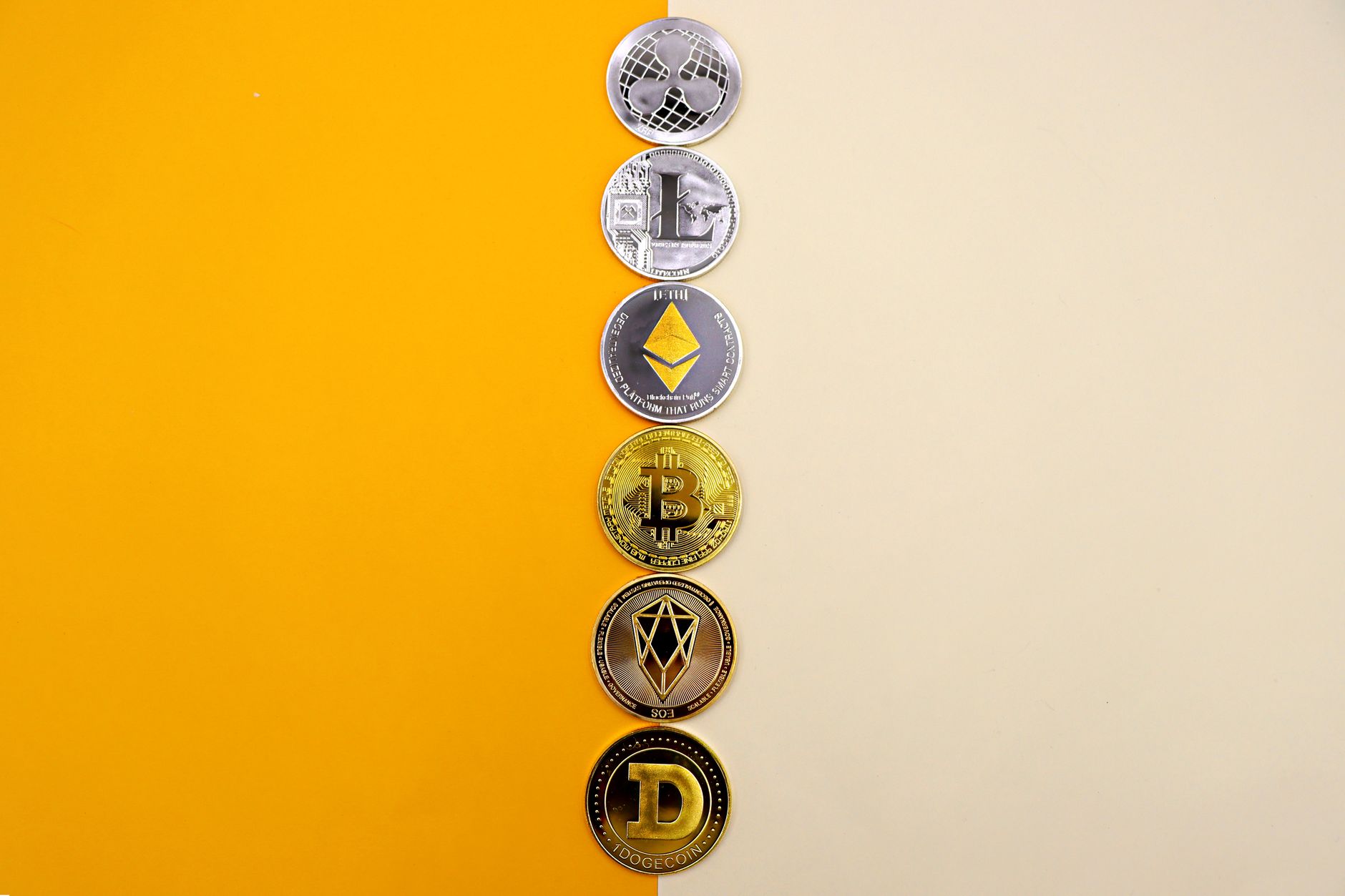
Payout frequency and withdrawal minimums also separate platforms in practical terms. A service that accrues earnings daily but only allows withdrawal above a threshold that takes months to reach is effectively holding user funds for extended periods – a meaningful risk if the platform’s financial position changes. The best-reviewed platforms in September 2026 offer daily or weekly payouts with low minimum withdrawal thresholds and support for multiple cryptocurrencies beyond Bitcoin, including Ethereum, Litecoin, and others depending on available mining pools.
Risks That Don’t Disappear With Cloud Mining
The transfer of operational burden from user to provider doesn’t eliminate investment risk. It relocates it. A provider that goes insolvent, gets hacked, or simply stops paying – all of which have occurred with multiple platforms over the past decade – leaves contract holders with no hardware to fall back on and no legal recourse in most jurisdictions. Cloud mining contracts are generally not classified as financial instruments, which means consumer protection frameworks that apply to traditional investments rarely apply here.
Regulatory risk sits alongside platform risk. Several countries have tightened restrictions on cryptocurrency mining activity due to energy consumption concerns, and a provider operating data centers in jurisdictions with shifting policy environments faces potential forced shutdowns that would terminate active contracts. Users typically absorb that loss, since force majeure clauses in cloud mining agreements are broad.
There is also the question of what cloud mining is competing against. Buying Bitcoin directly requires no contract, no maintenance fee, and no dependency on a third party’s operational continuity. For users whose primary goal is exposure to Bitcoin price appreciation, a straightforward purchase achieves that more cleanly. Cloud mining makes more sense for users specifically interested in the mining process – earning freshly minted coins rather than purchasing on the open market – or for those in jurisdictions where direct exchange access is limited.
The platforms that have earned sustained credibility through 2026 share a few traits: published proof of hash rate, clear fee disclosure before contract purchase, withdrawal processes that don’t require extraordinary hurdles, and support infrastructure that responds to user issues. None of that guarantees profit. A cloud mining contract is not a savings account, and the monthly return projections on provider websites assume price and difficulty conditions that may not hold for the contract’s duration.

What the September 2026 market makes clear is that cloud mining has found a durable niche – smaller than its peak hype cycle suggested, more legitimate than its fraud-heavy early years implied, and more conditional on external factors than most marketing materials acknowledge. The question for any prospective user isn’t which platform ranks highest on a comparison list. It’s whether the contract structure being offered actually holds up if Bitcoin’s price moves against the position over the next 90 days.
Comments are closed, but trackbacks and pingbacks are open.