
SUI Expands AI and Samsung Reach While Investors Pull Back
Growth Signals, Capital Exits
SUI is adding infrastructure that would make most blockchain projects envious – AI tooling through Cetus, hardware-level access via Samsung, and gasless transfers that eliminate the most common friction point for new users. Yet capital is moving out, not in.

What the Network Is Actually Building
The Cetus integration brings AI-powered tools directly into the SUI ecosystem, expanding what developers and users can do without leaving the network. Cetus, which functions as a concentrated liquidity protocol on SUI, is layering intelligent automation on top of existing decentralized exchange infrastructure. The practical effect is that traders can access more sophisticated order management and position tracking without routing through external platforms. That kind of vertical integration is exactly what mature DeFi ecosystems are supposed to look like.
The Samsung partnership is a different kind of move. Getting onto Samsung hardware means SUI applications become available to consumers who may never have visited a crypto exchange or downloaded a wallet through conventional channels. Samsung’s device footprint across South Korea, Southeast Asia, and significant portions of Europe and North America gives SUI a distribution channel that most blockchain projects spend years trying to manufacture through marketing budgets and exchange listings.
Gasless transfers round out the expansion. By removing the requirement to hold SUI tokens just to pay transaction fees, the network lowers the entry cost for anyone experimenting with SUI-based applications. New users can interact with smart contracts, move assets, and test DeFi products without first acquiring the native token. That is a genuine usability improvement – the kind that tends to show up in user growth metrics before it appears anywhere else.
Taken together, these three additions – AI tools, Samsung distribution, and gasless transactions – form a coherent argument that SUI’s development team is building for mainstream adoption rather than speculative trading volume alone. The product roadmap looks deliberate. The market response, so far, does not match it.
The Disconnect Between Development and Capital Flow
Despite the feature expansion, capital is leaving the SUI ecosystem. This is the tension at the center of the story, and it does not resolve cleanly in either direction.
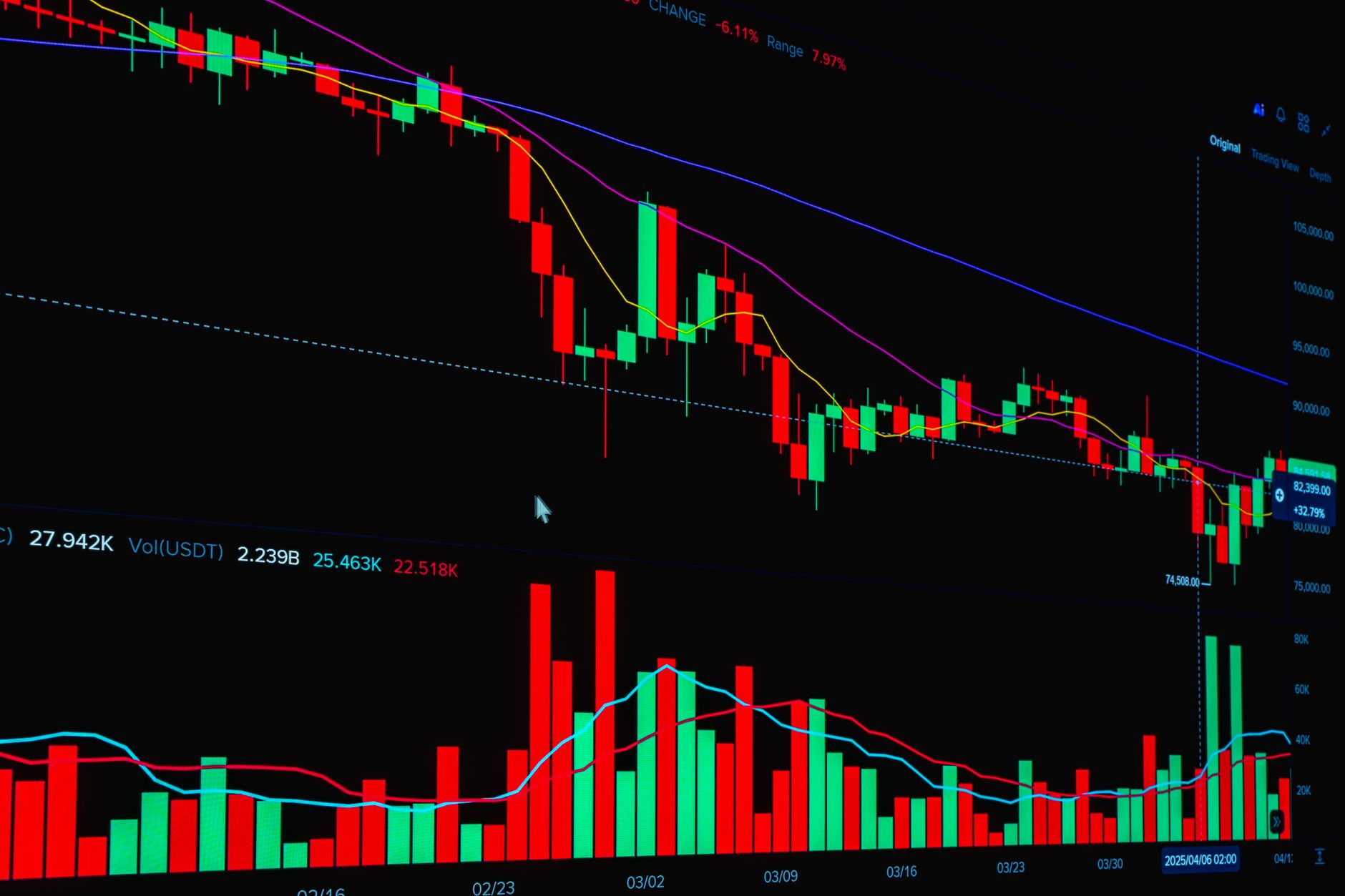
One explanation sits inside the gasless transfer announcement itself. When users no longer need to acquire SUI to interact with the network, a key demand driver for the token weakens. Historically, native token demand in layer-1 ecosystems is tied closely to gas fee requirements – users buy the token because they need it to do anything on-chain. Gasless transfers break that connection. Adoption can grow while token demand stays flat or contracts, because the new users entering the ecosystem are not being funneled into SUI purchases the way earlier users were.
This creates a structural ambiguity for investors. A rising user count paired with declining token demand is not a contradiction in product terms, but it is a problem for anyone who bought SUI expecting that more users automatically means more buying pressure. The gasless feature is genuinely good for the network’s long-term health – fewer barriers means more experimentation, more developers, and eventually more total value locked – but the short-term read on token price mechanics cuts the other way.
The Samsung access adds its own complexity. Hardware partnerships tend to generate headline attention before they generate meaningful transaction volume. The actual path from “SUI available on Samsung devices” to “millions of Samsung users actively using SUI applications” runs through app quality, user education, and the broader state of consumer interest in blockchain products. None of those factors move quickly. Investors pricing in near-term catalysts may be looking at the Samsung announcement and calculating that the payoff timeline extends further than their position horizon.
Cetus AI tools face a similar lag problem. Sophisticated DeFi tooling attracts a specific type of user – experienced traders and developers who are already active in the ecosystem. That is valuable, but it is unlikely to drive the kind of broad capital inflow that moves the needle on token price in a compressed timeframe. The tools are useful for deepening engagement among existing participants more than for bringing in fresh capital from outside the SUI ecosystem.
There is also the broader market context. SUI does not operate in isolation, and capital rotating out of one ecosystem frequently has less to do with that ecosystem’s fundamentals than with conditions elsewhere – a stronger conviction trade in another layer-1, macro pressure on risk assets generally, or simply profit-taking after a period of relative outperformance. Attributing capital outflows entirely to the gasless transfer announcement or the Cetus integration risks overfitting a narrative to a price movement that may have multiple unrelated causes.
The Structural Question Investors Are Sitting With
What SUI is building argues for long-term ecosystem health. What investors are pricing right now appears to be something shorter in duration. The Cetus AI tools and Samsung access expand SUI’s surface area with the world outside crypto, which is what every layer-1 needs to eventually justify its valuation. But surface area and token demand are not the same thing, and the gasless transfer feature has made that gap more visible than it used to be.
The honest version of the capital outflow question is this: if users can now interact with the SUI network without buying SUI, what exactly is the token for? That question is not unique to SUI – every major layer-1 eventually grapples with the relationship between network utility and token value – but it is arriving for SUI at a moment when the development team has actively widened the gap between the two. Whether the ecosystem’s growth eventually closes that gap, or whether token mechanics need to be restructured to reconnect them, is what the market is working out in real time.
Comments are closed, but trackbacks and pingbacks are open.