
Bitcoin Sentiment Sours, But One Technical Signal Points to a Floor
Caution Replaces Confidence in the Bitcoin Market
Bitcoin’s market mood has shifted. The bullish conviction that pushed BTC through several price levels in recent weeks has given way to a more guarded stance, with traders pulling back and demand weakening across the board. The change in sentiment is not dramatic, but it is measurable – and it is showing up in the data that traders watch most closely.
What makes the current moment worth examining is not simply the cooling enthusiasm. It is the specific combination of conditions now present: softening demand running headlong into an overhead price zone that has historically acted like a magnet, pulling price action back toward it even when momentum appears to favor a breakout. That collision of forces is setting up conditions that could force a sharp move in either direction.
The Overhead Zone That Keeps Pulling Price Back
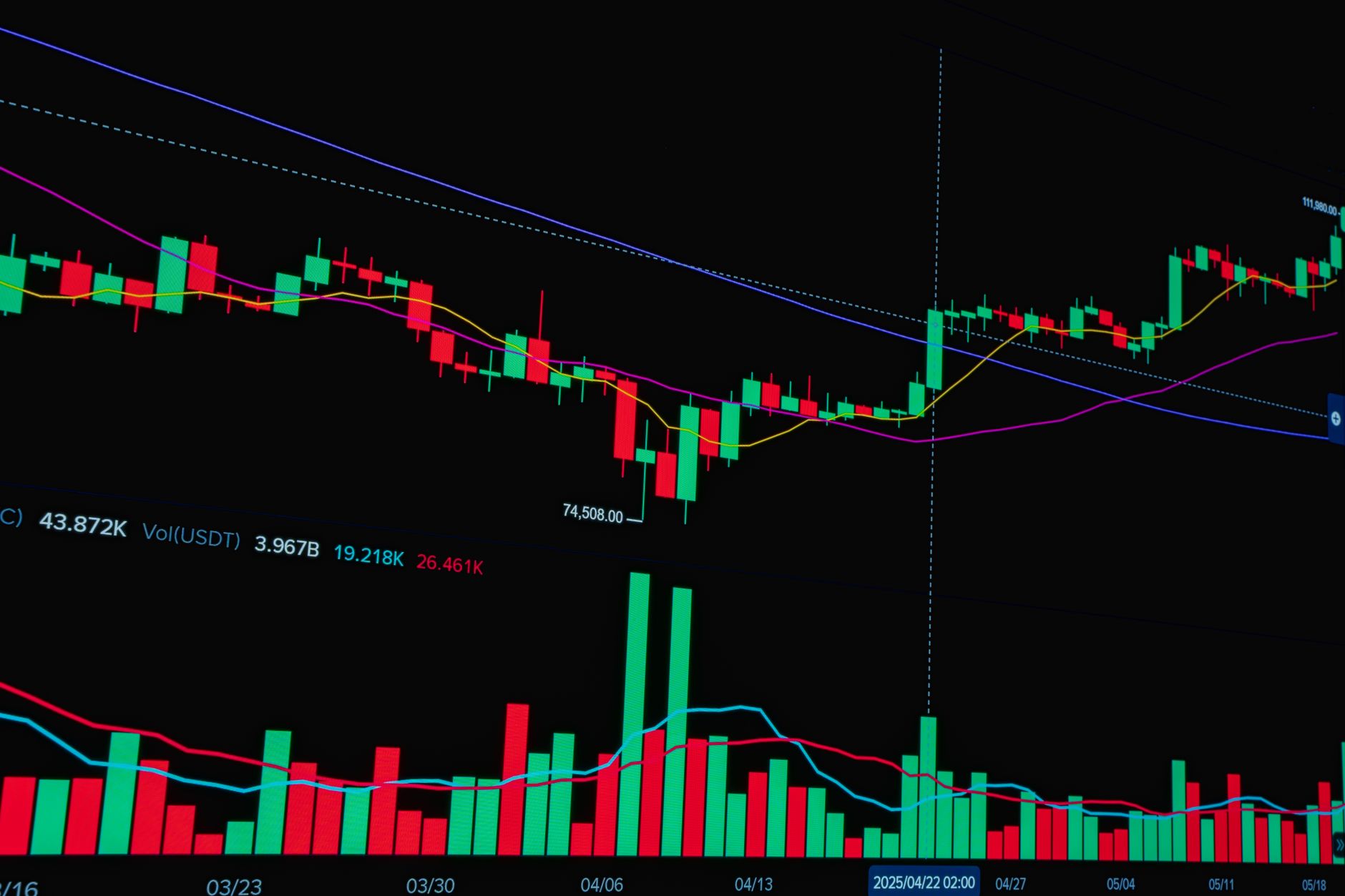
In technical analysis, certain price levels accumulate enough historical significance – enough prior trading volume, enough memory of past reversals – that they exert a kind of gravitational pull on price. Bitcoin currently sits beneath one such zone. Rather than breaking cleanly above it, BTC has been hovering, testing the level without the demand necessary to push through with conviction.
Weak demand is the central problem. When buying pressure dries up near a resistance zone, price tends to stall. Sellers who have been waiting at that level step in, and the market loses the upward momentum it needs. What results is a kind of compression – price squeezed between reluctant buyers below and patient sellers above. That compression rarely holds indefinitely.

The compression itself is what creates the conditions for a short squeeze. As more traders position bearishly – betting that price will fall – the number of short positions building up beneath the market increases. If price moves up instead of down, those short positions become liabilities. Traders who shorted must buy back BTC to close their positions, and that wave of forced buying can accelerate a move upward far faster than organic demand alone would.
Short squeezes are not guaranteed outcomes. They require a trigger – some catalyst that pushes price just far enough to start liquidating the weakest short positions, which then forces the next layer, and so on. In a market where sentiment has turned cautious and short interest is accumulating, the fuel for such a move is quietly building even as most participants are positioned for further downside.
One Signal Suggesting the Bottom May Already Be In
Despite the cautious tone, at least one technical signal is pointing in a different direction – toward the possibility that Bitcoin has already put in a local bottom. A local bottom does not mean the end of any broader correction or the start of a sustained rally. It simply means the most recent downward leg may have found its floor, and that price could stabilize or recover from current levels before any further leg down.
This kind of signal matters because it reframes how traders should think about the current setup. If the local bottom is in, then the overhead magnetic zone becomes less of a ceiling to dread and more of a near-term target. The weak demand environment, in that context, is not a sign of inevitable decline – it is a condition that could reverse quickly if sentiment shifts, particularly in a market where short positioning is elevated and any upward movement risks triggering a cascade of forced buying.
What Cautious Sentiment Actually Means for Price
Sentiment in crypto markets is a lagging indicator as often as it is a leading one. By the time the majority of participants turn cautious, much of the selling that drives price lower has frequently already happened. The traders who were going to exit have exited. What remains is a market populated by holders who have decided to stay and short sellers who have decided to bet against it – and that combination, paradoxically, can be a setup for recovery rather than continued decline.
That does not mean a recovery is assured. Weak demand is a real constraint. If buyers do not return with enough force to challenge the overhead zone, the compression can resolve to the downside just as easily as the upside. The market does not owe anyone a short squeeze simply because the conditions for one exist.
Understanding the behavior of different market participants helps clarify the picture. Bitcoin whales have been pulling back while retail buyers move in – a dynamic that can sustain short-term price support but rarely provides the firepower needed to break through a significant resistance zone without institutional demand returning alongside it.
The Setup Traders Are Watching
What the current Bitcoin setup ultimately presents is a market at a fork. Sentiment has turned cautious enough that a contrarian case exists – weak hands have reduced exposure, short interest has grown, and at least one technical signal is flagging a potential local bottom. Those are the ingredients for a recovery move, particularly one amplified by short liquidations if the overhead zone is challenged seriously.
On the other side, the same weak demand that has cooled sentiment could persist or deepen. A market that lacks buyers does not recover on the strength of technical signals alone. The overhead magnetic zone remains exactly that – a zone that has drawn price back before and could do so again, capping any bounce before it becomes a breakout.
The number that traders will be watching is not a sentiment score or a signal reading. It is the price level at the top of that overhead zone – whether Bitcoin can push through it with volume behind the move, or whether it stalls again and gives short sellers fresh reason to press their bets. That specific test, when it comes, will answer the question that all the signals and sentiment readings can only frame.
Comments are closed, but trackbacks and pingbacks are open.